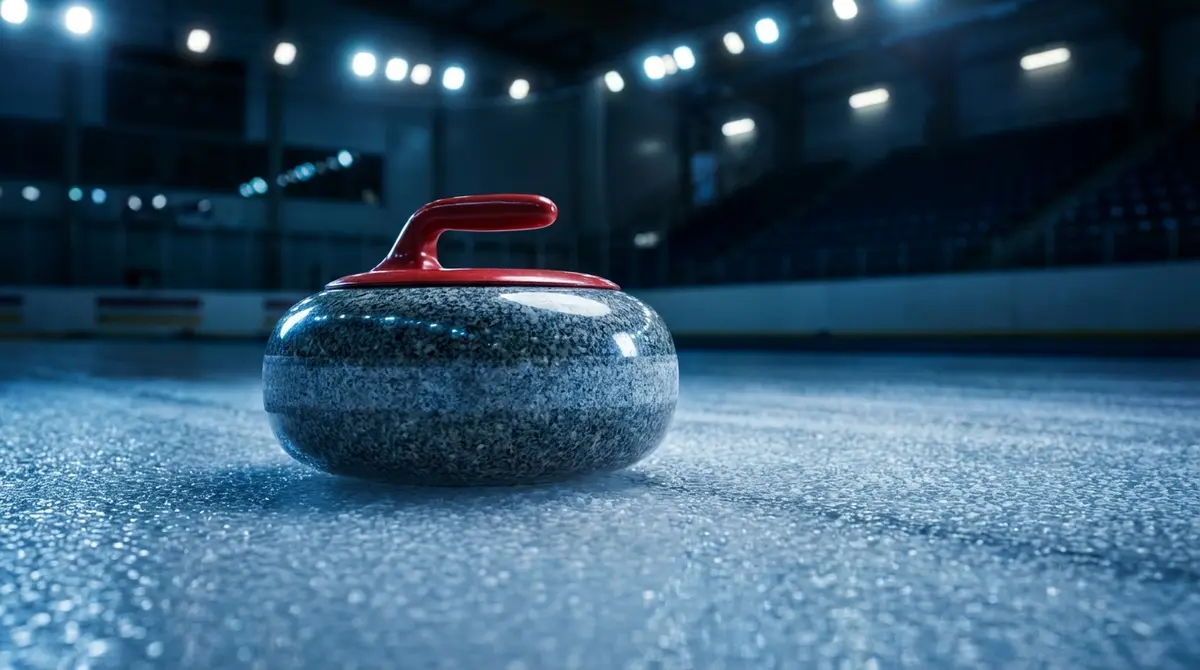
When the first stones glide across the ice at the 2026 Winter Olympics, the ancient Scottish sport of curling will look remarkably traditional, yet beneath the surface, it has become a showcase of high-precision engineering. While the objective remains the same—sliding granite stones toward a target—the equipment used to achieve it has undergone a radical transformation. From ‘smart’ handles that police the rules to carbon fiber brooms designed within millimeter-strict regulations, the 2026 Games represent the most technologically scrutinized era in the sport’s history.
The upcoming games mark a pivotal moment for the World Curling Federation (WCF). Following years of controversy regarding equipment that arguably made the game too easy, the 2026 cycle introduces a mature set of standards designed to ensure that human skill, rather than material science, dictates the podium standings.
How have curling stones evolved for the digital age?
The heart of the game remains the stone itself, but even this prehistoric material has been integrated with modern IoT technology. For the 2026 Olympics, the stones are manufactured by Kays of Scotland, the exclusive provider for the Games. These aren’t just rocks; they are composite assemblies of specific geological rarities. The bodies are crafted from ‘Common Green’ granite, chosen for its resilience in collisions, while the running surfaces—the part that actually touches the ice—are inserted with ‘Blue Hone’ granite, known for its low water absorption and smooth glide. Both types are sourced exclusively from the island of Ailsa Craig.
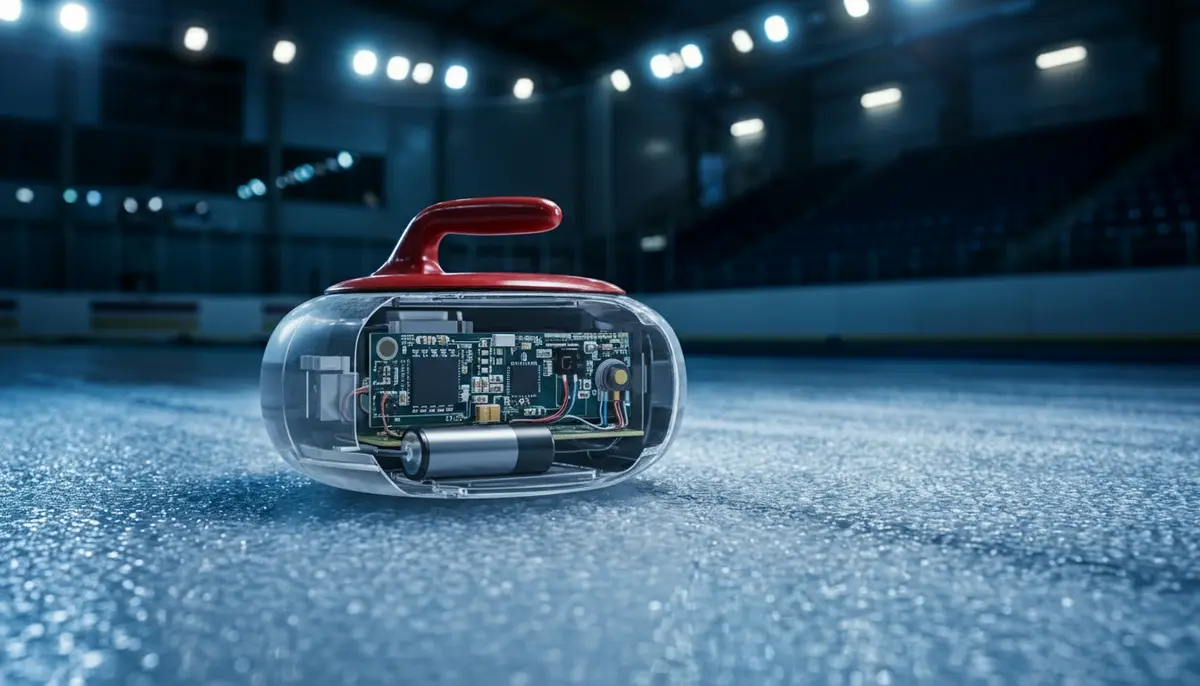
However, the most significant innovation lies in the handles. According to World Curling Head of Development Scott Arnold, the reliance on human judgment for ‘hogline’ violations—releasing the stone too late—had become problematic. “It is difficult for players and umpires to judge, so we wanted to get back to having electronic handles,” Arnold noted in a recent report.
The 2026 stones feature embedded ‘hogline sensors’ designed to detect if a player’s hand is still in contact with the handle when the stone crosses the release line. The system flashes green for a legal delivery and red for a violation. World Curling has recently tested and approved a new generation of these handles to address reliability issues seen in previous cycles, ensuring that a battery failure doesn’t cost a team a medal.
Why are broom regulations so strict for the 2026 season?
The strict equipment regulations enforcing the 2025-2026 season are a direct response to the ‘Broomgate’ scandal of 2015. During that period, manufacturers introduced brooms with ‘directional fabric’ that acted like sandpaper, allowing players to steer stones with unprecedented control, effectively breaking the physics of the game. The WCF stepped in to save the sport’s integrity, leading to the rigorous standardization seen today.
Modern brooms, such as the BalancePlus LiteSpeed and Goldline Impact, now utilize ultra-lightweight carbon fiber handles. Erin Flowers, President of Goldline Curling, explains that the carbon fiber adds to the broom’s “superior performance” by being lighter and stiffer than other materials, reducing athlete fatigue during vigorous sweeping.
However, the heads attached to these high-tech sticks are strictly regulated. The WCF mandates specific approved brush heads—such as the BalancePlus RS with 3.0 foam or the Goldline Impact with Pulsar foam—to prevent excessive ‘directional sweeping.’ These heads are tested to ensure they polish the ice rather than scratch it, returning the emphasis to the thrower’s accuracy rather than the sweeper’s ability to manipulate the stone’s path artificially.
What role does footwear technology play in modern curling?
While stones and brooms get the attention, footwear technology has quietly revolutionized player stability. The sliding shoe is no longer a simple piece of leather; it is a piece of performance equipment. Manufacturers are now utilizing ‘IceKnit’ fabrics to reduce weight and improve breathability, moving away from heavy traditional materials.
The critical component is the slider—the Teflon sole on one foot that allows the player to glide. Modern sliders feature reinforced Teflon with specific weight-distribution engineering. Some designs now incorporate dimples, similar to a golf ball, to reduce surface area friction and increase speed, or specialized perimeter weighting to enhance stability during the delivery. These nuances allow athletes to maintain perfect balance while executing throws with millimeter precision.
ByteWire Analysis
The technological trajectory of curling offers a fascinating case study in sports governance. Unlike swimming or cycling, where aerodynamic gains are often celebrated until they become unsafe, curling faced an existential crisis where technology threatened to render the core skill—throwing the stone—irrelevant. The WCF’s approach to the 2026 Olympics strikes a rare balance: embracing digital accuracy through sensor handles while aggressively capping analog advantages in broom textiles. It is a ‘smart’ regulation strategy that uses tech to enforce rules (sensors) but restricts tech to preserve the sport’s soul (brooms).
What This Means
The ‘tech-ification’ of curling is driving a commercial shift in what was once a niche equipment market. The demand for professional-grade gear—carbon fiber brooms and IceKnit shoes—has pushed prices into the hundreds of dollars, signaling a move toward premiumization. Furthermore, major apparel players are taking notice. Columbia Sportswear’s unveiling of a retail ‘fan collection’ for Team USA indicates that curling is gaining commercial viability beyond the rink. As the 2026 Games approach, we can expect this trend to continue, with the sport attracting broader partnerships that leverage its unique blend of tradition and high-tech precision.