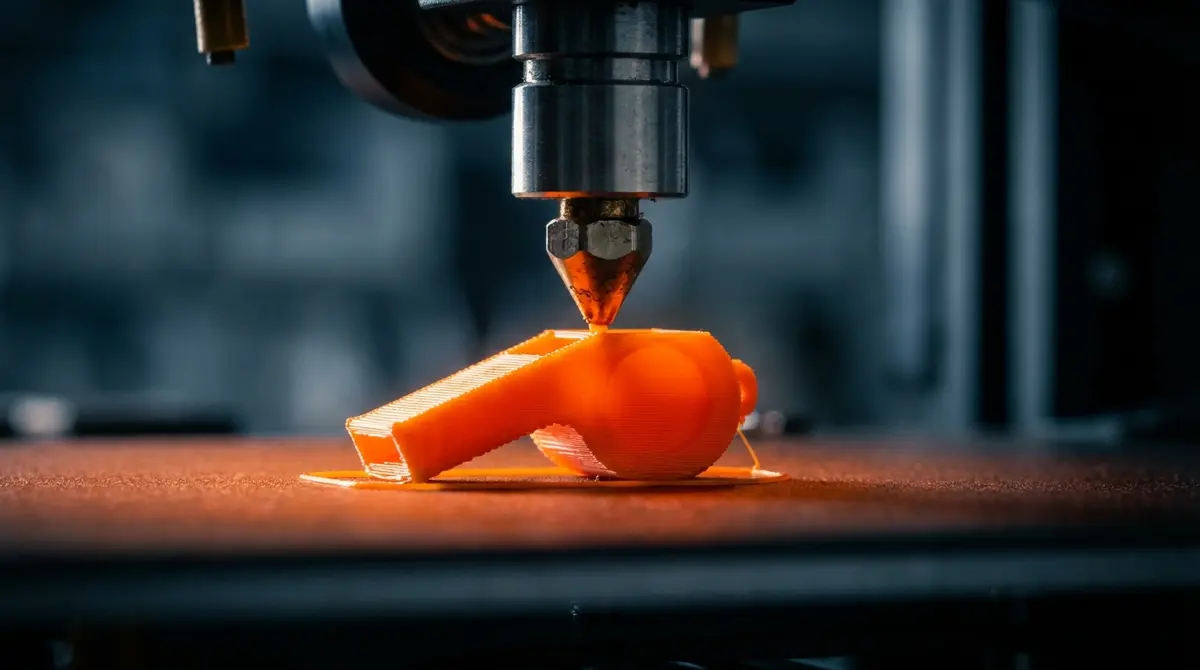
When you think about critical infrastructure for political activism, you probably picture encrypted messaging apps or social media algorithms. You usually don’t picture a $300 hobbyist machine humming away on a kitchen counter. But in the first week of February 2026 alone, a decentralized network of volunteers shipped approximately 80,000 physical units of hardware to 49 states. They didn’t use a factory, and they didn’t use a traditional supply chain.
The hardware in question? A simple, high-decibel plastic whistle.
According to reports from The Verge and CBS News, a massive grassroots effort led by romance novelists Kit Rocha and Courtney Milan has distributed closer to 280,000-300,000 3D-printed whistles across the United States as of early February. This figure is projected to reach half a million by the end of February. The goal is low-tech but high-stakes: to provide a loud, analog alarm system for neighborhoods to alert each other when ICE agents are present. It is a fascinating case study in how distributed manufacturing can outpace traditional logistics when the motivation is urgent enough.
How does this decentralized supply chain operate?
If you have ever tried to buy 500,000 of anything on short notice, you know the logistical nightmare involved. You deal with shipping containers, customs, and bulk manufacturing lead times. This movement, however, sidestepped that entirely by leveraging the “maker” community. Instead of a single factory, the production line is everyone’s living room.

The initiative relies on volunteers who own 3D printers to produce the whistles at home. By distributing the manufacturing process, the group eliminates the single point of failure found in traditional industry. If one printer breaks, thousands of others keep going. This is the same principle behind the internet itself—redundancy through decentralization.
These aren’t just toy trinkets, either. The designs being shared are engineered to hit 118-120 decibels. That is roughly the volume of a thunderclap or a chainsaw, loud enough to be heard blocks away. The production is so rampant that volunteers are printing them in batches constantly. One volunteer noted that printing whistles is the first thing they do after the school run and the last thing they do before bed.
Get our analysis in your inbox
No spam. Unsubscribe anytime.