Have you ever wondered how a chatbot might learn to sound genuinely sympathetic when you are having a bad day, or how an AI avatar could crack a perfectly timed joke? You might assume it is all complex math and algorithmic magic. But it turns out, the secret ingredient to building the next generation of artificial intelligence is surprisingly human.
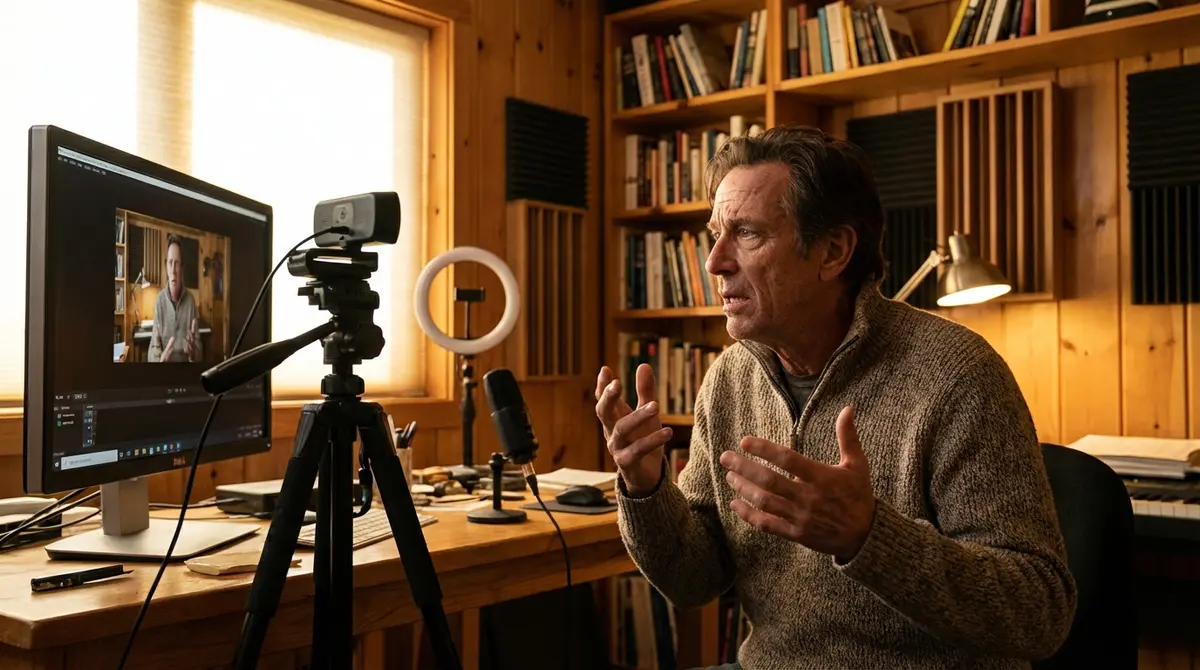
If you have strong creative instincts, can authentically portray emotion, and know how to hold character during a scene, tech companies are looking for you. But you will not be heading to a film studio or an underground theater space. Instead, you will be logging on from home to act for an algorithm.
Why are AI companies hiring improv actors?
According to reports from a recent job listing, data provider Handshake AI is actively recruiting improv actors and creative performers for a highly specific remote project. The gig? Training models for one of the world’s leading AI companies. The pay is roughly $74 per hour, which is a solid rate for freelance creative work. But the job description is where things get really interesting.
Performers are not reading from a standard script. Instead, they are required to participate in unscripted video sessions based on light prompts. The listing notes that actors will “improvise scenes, explore characters, and respond naturally in the moment, with plenty of creative freedom to shape how each interaction unfolds.” It is a fascinating pivot for the tech industry, moving away from scraping the web for static text and toward paying creatives for dynamic, real-time emotional expression.
How does human emotion training improve Large Language Models?
So, what exactly is all this acting data being used for? As AI models advance beyond basic text generation, they are hitting a wall. You can only feed a Large Language Model (LLM) so many web pages before you need something more nuanced to make it actually relatable. The goal of this Handshake AI project is to test the limits of top LLMs and help develop what the company calls the next frontier of AI.
By studying how real humans express authentic emotion, maintain character consistency, and navigate unscripted interactions, AI developers hope to teach their systems emotional awareness. This is not entirely new territory. Other AI firms like Realeyes have previously hired professional actors to express emotions on camera, helping to train realistic AI avatars for major players like Meta and Character.AI.
Furthermore, OpenAI recently expanded its partnership with Handshake AI to collect real-world white-collar work products from contractors, such as spreadsheets and presentations. Now, the focus is shifting heavily to the creative and emotional realm, targeting the nuances of human behavior that cannot simply be downloaded from a database.
What does this mean for the future of the entertainment industry?
This aggressive push for proprietary, human-generated emotional data signals a massive shift toward highly personalized, emotionally intelligent AI agents. But it also surfaces some deeply uncomfortable questions for the people providing that data. If an actor successfully teaches an AI how to mimic their unique emotional responses and improvisational timing, are they simply training their own digital replacement?
Labor concerns within the entertainment industry are already at a boiling point regarding artificial intelligence. Performers are increasingly anxious that their paid training data will eventually be used to generate synthetic avatars that can act, react, and emote without ever needing a paycheck, a union break, or a trailer. The tension between the entertainment industry and AI development is growing, and this new pipeline of creative data extraction sits right at the center of the conflict.
Between the Lines
The entertainment industry’s worst fears are materializing not as a hostile corporate takeover, but as a well-paid freelance gig. By offering $74 an hour to working actors, data vendors like Handshake AI are leveraging the precarious gig economy of the creative class to commoditize human empathy. The ultimate winners here are the AI giants securing proprietary behavioral data that cannot be scraped, allowing them to build hyper-realistic avatars that will inevitably undercut human talent. We are witnessing the literal extraction of human spontaneity, packaged into proprietary training sets to make synthetic agents more palatable to consumers while subtly phasing out the very artists who taught them how to feel.
![Illustration related to Why AI Companies Hire Improv Actors for $74/Hr [Explained]](https://bytewire.press/wp-content/uploads/bytewire-images/2026/03/ai-companies-hiring-improv-actors-emotional-training-4ea98ba725.webp)
![Diagram related to Why AI Companies Hire Improv Actors for $74/Hr [Explained]](https://bytewire.press/wp-content/uploads/bytewire-images/2026/03/ai-companies-hiring-improv-actors-emotional-training-1204402a6a.webp)