For decades, the holy grail of fashion technology has been the automated closet—a seamless digital interface that remembers what you own and tells you what to wear, immortalized by the 1995 film Clueless. While numerous startups have attempted to crack this code via consumer-facing apps, the real revolution may lie in infrastructure rather than inspiration. In a significant move that signals a maturity in the digital styling market, AI-powered platform Alta has announced its first integration collaboration, embedding its proprietary tools directly into the e-commerce operations of the storied New York City brand, Public School.
This partnership represents more than just a flashy feature for a clothing website; it marks a strategic pivot for Alta from a standalone consumer utility to a B2B enterprise solution. By integrating with Public School, Alta is effectively moving the dressing room into the digital realm, allowing shoppers to visualize how new collection pieces interact not just with their body type, but with the items already hanging in their physical closets.
How does the ‘Style by Alta’ integration actually work?
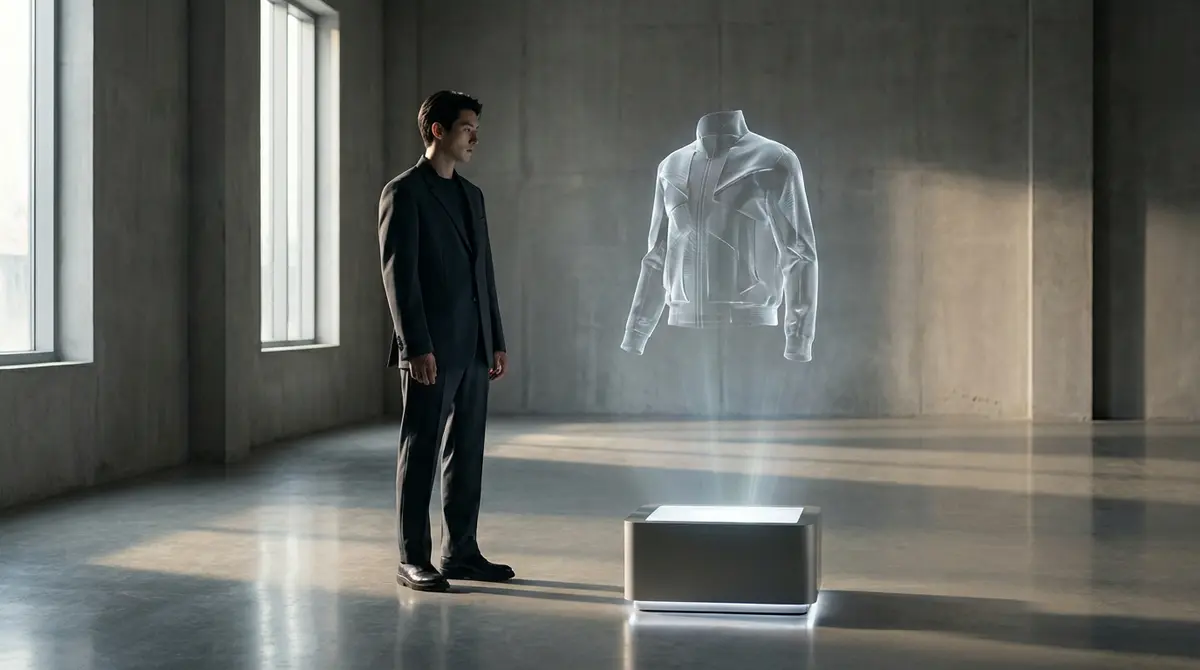
The core of this integration is the "Style by Alta" tool, now embedded within the Public School e-commerce ecosystem. Unlike traditional size recommendation widgets that rely solely on height and weight data, Alta’s system utilizes transformer architecture to generate comprehensive outfit recommendations. The integration allows shoppers to view Public School’s latest offerings on personalized 3D avatars. These avatars are not generic mannequins; they are designed to mirror the user’s specific body measurements.
Crucially, the utility extends beyond the immediate purchase. The system analyzes the shopper’s existing digital wardrobe to suggest pairings, effectively answering the perennial question, "What do I wear this with?" before the credit card is even charged. Jenny Wang, the Harvard computer science graduate who founded Alta, describes the platform’s dual nature: "Alta is both utilitarian in that it helps you decide what to wear and buy, but it’s also just aspirational." By placing this utility at the point of sale, Public School aims to increase conversion rates and, perhaps more importantly for the bottom line, reduce the high volume of returns caused by styling uncertainty.
Why did Public School choose this moment to embrace AI styling?
The timing of this partnership coincides with a major resurgence for Public School. Founded by Dao-Yi Chow and Maxwell Osborne, the brand was a defining force in the "street-tailoring" aesthetic of the 2010s before entering a seven-year hiatus. February 2026 marked their return to the runway at New York Fashion Week (NYFW) with a collection titled "Everything Is Now."
For a brand that has always straddled the line between streetwear accessibility and luxury exclusivity, integrating advanced tech is a logical step in reclaiming their narrative. "We’ve gotten older," Maxwell Osborne noted regarding the brand’s return. "We lost our voice for a second, but then we found it again." The comeback also featured renewed collaborations with footwear giants Nike and Jordan Brand, specifically highlighting the Air Jordan 15. By adopting Alta’s technology, Public School is positioning itself not just as a heritage revival, but as a forward-thinking entity willing to experiment with the digital customer experience.
Is the fashion-tech market shifting away from standalone apps?
Alta’s move into B2B integration suggests a broader trend in the fashion-tech sector. While the app has garnered attention for its consumer-facing features—digitizing wardrobes to provide daily recommendations based on weather and schedule—its long-term viability may rest on becoming an essential utility for retailers. The company secured $11 million in seed funding in June 2025, led by Menlo Ventures, providing the capital necessary to develop these enterprise-grade integrations.
The backing of industry heavyweights further validates this direction. Alta’s investor roster includes high-profile figures such as Karlie Kloss and the co-founders of Poshmark and Rent the Runway. These stakeholders understand that the friction in online fashion retail isn’t just about fit—it’s about context. As noted in recent industry reports, styling and try-on tools are graduating from standalone apps to embedded, on-site utilities designed to boost confidence at the point of purchase. This shift allows retailers to own the data and the experience, rather than ceding it to third-party platforms.
The Bigger Picture
This collaboration signals the end of the "novelty phase" for digital dressing rooms. By embedding Alta directly into the transaction flow, the technology shifts from a toy for fashion enthusiasts to a logistics tool for loss prevention. If customers can accurately visualize how a new $400 jacket pairs with their existing denim, return rates—which currently plague e-commerce margins—could drop significantly. For Alta, this is a defensive moat; standalone apps are easily deleted, but enterprise integrations make them an indispensable part of the retail stack. The winners here are brands that view AI not as a content generator, but as a conversion engine.
![Illustration related to Alta Public School AI Styling Partnership: B2B Shift [2026]](https://bytewire.press/wp-content/uploads/bytewire-images/2026/02/alta-public-school-partnership-ai-styling-integration-8e9b182535.webp)
![Diagram related to Alta Public School AI Styling Partnership: B2B Shift [2026]](https://bytewire.press/wp-content/uploads/bytewire-images/2026/02/alta-public-school-partnership-ai-styling-integration-77303fa4df.webp)