Consumer Tech

Analogue 3D Prototype Edition: Unreleased N64 Colors

In the world of high-end retro gaming, few companies command attention quite like Analogue. Known for its FPGA-based systems that replicate classic hardware with near-perfect accuracy, the company has announced its latest drop: the Analogue 3D ‘Prototype’ Limited Edition. This release goes beyond simple nostalgia, digging into the archives to resurrect Nintendo 64 colorways that were manufactured decades ago but never saw a retail shelf.

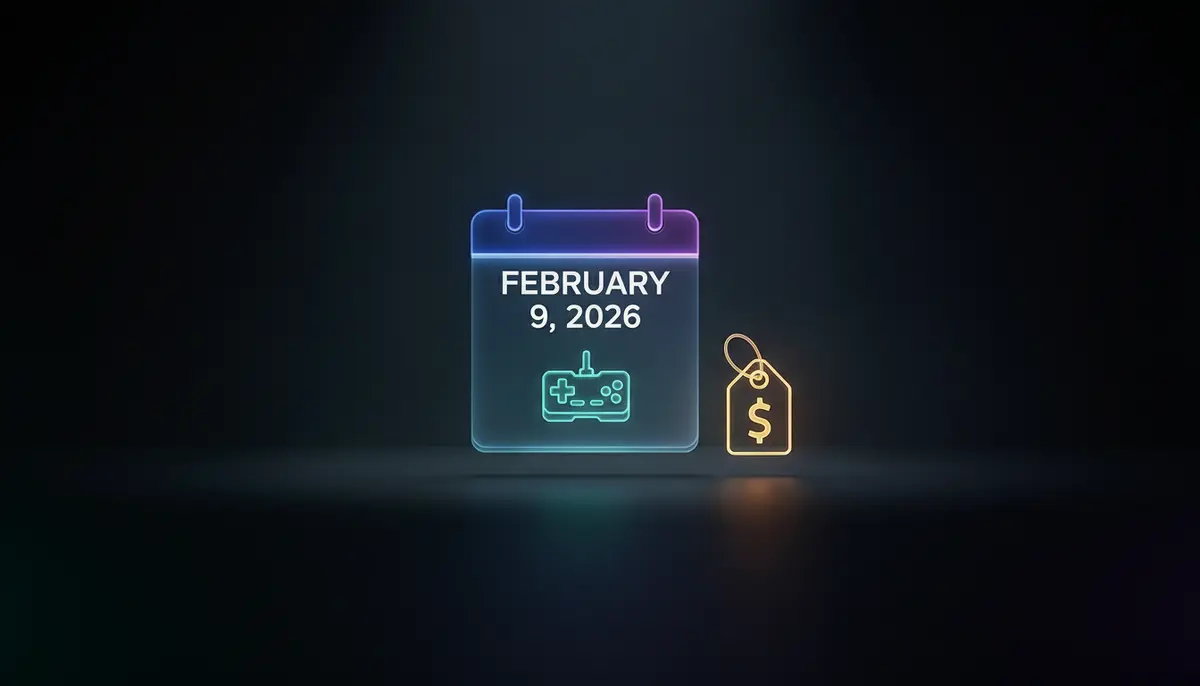
Set to launch on February 9, 2026, these consoles represent a deep cut for collectors, bringing to life a specific chapter of hardware history that was previously known only to industry insiders and dedicated archivists.

What are the new Analogue 3D Prototype colors?

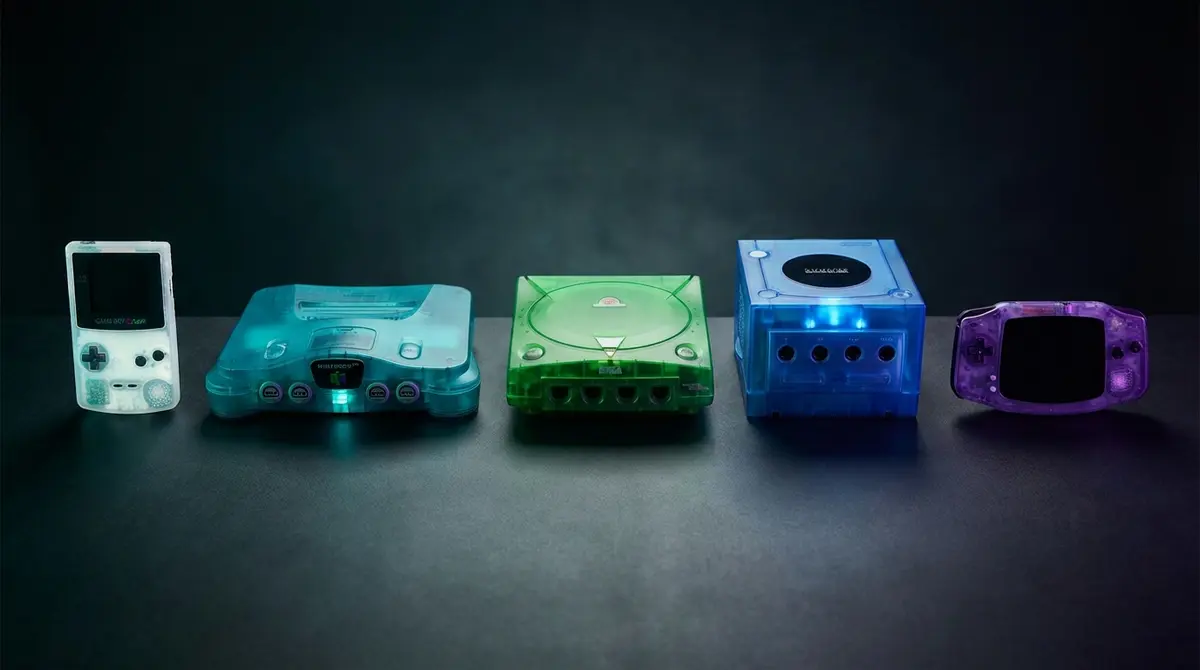
The new collection features five distinct translucent colorways: Ghost, Glacier, Extreme Green, Ocean, and Atomic Purple. While casual fans might recognize the aesthetic of the translucent ‘Funtastic’ series that defined the late 90s, these specific hues are historically significant deviations.
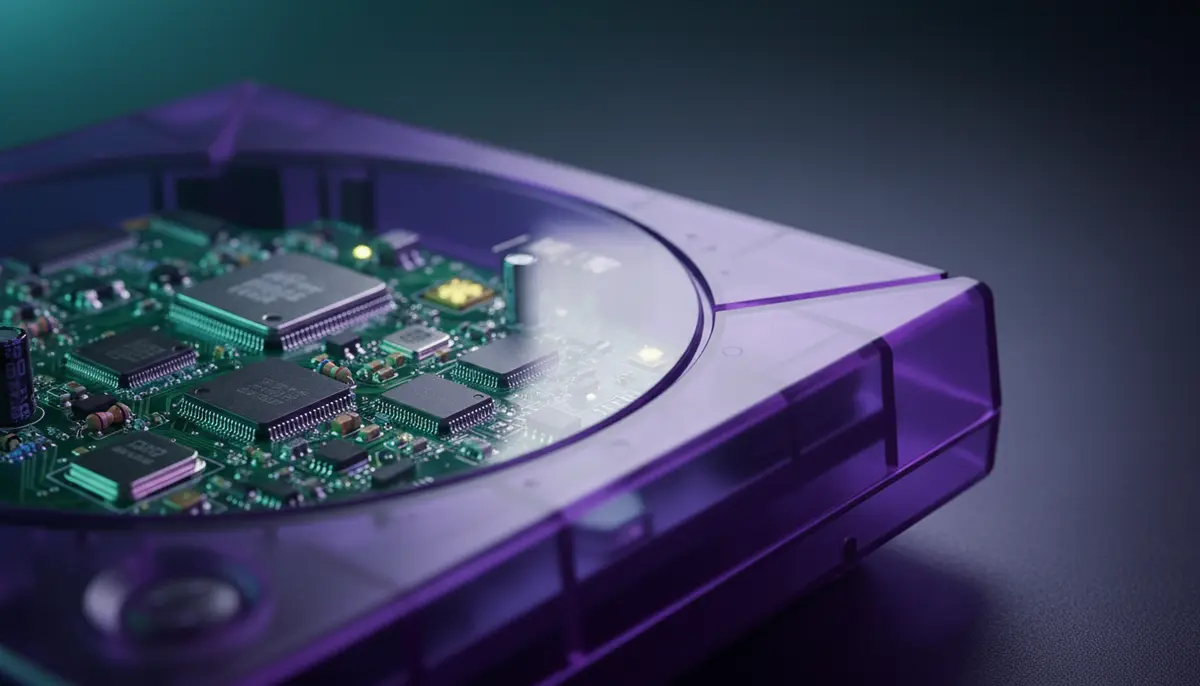
Illustration related to Analogue 3D 'Prototype' Edition: Resurrecting the Lost History of the N64

According to research provided by Analogue and the collector community, these colors are based on actual prototypes manufactured by Nintendo of Europe in the 1990s. While they were produced as test units, they were ultimately shelved and never brought to market. Analogue claims to have spent over a year perfectly color-matching these unreleased shells to the original preserved prototypes.

Of particular note is the Atomic Purple console. While the Atomic Purple controller was one of the most ubiquitous accessories of the N64 era, a fully translucent Atomic Purple console was never released at retail. The retail purple console, known as ‘Grape,’ featured a different hue and opacity. This release marks the first time a console matching the iconic controller has been made available to the public, albeit via third-party hardware.

The consoles feature matching power adapters, cables, and a preinstalled 16GB SD card. To complete the aesthetic, Analogue has once again partnered with peripheral maker 8BitDo to release color-matched versions of the 8BitDo 64 Bluetooth controller, which will be sold separately.
How much will the limited edition consoles cost?

The Analogue 3D Prototype Limited Editions will carry a premium price tag compared to the standard models. The consoles will be priced at $299.99, which is a $30 increase over the standard black and white editions. The matching 8BitDo controllers will be available for $44.99.

Sales are scheduled to open on February 9, 2026, at 8 AM PST. Given Analogue’s history with limited runs—such as the rapid sell-out of the ‘Funtastic’ series released in December 2025—inventory is expected to move quickly. The company has emphasized that these units are limited editions, reinforcing the scarcity model that has become a staple of the premium retro market.

What makes the Analogue 3D different from emulators?

Under the hood, the Prototype Limited Edition functions identically to the standard Analogue 3D. It utilizes the Intel Cyclone 10GX FPGA (Field-Programmable Gate Array) to replicate the original N64 hardware behavior at a transistor level. This allows the system to run original N64 cartridges with 100% compatibility and zero software emulation lag.

Diagram related to Analogue 3D 'Prototype' Edition: Resurrecting the Lost History of the N64

The system outputs at 4K resolution, upscaling the N64’s original signal for modern displays while offering various display modes that mimic the look of CRT televisions (shadow masks, scanlines) for purists who want authenticity without the blur of standard upscaling.

ByteWire Analysis

This release signals a fascinating shift in how retro hardware is marketed. We are moving from simple nostalgia—releasing things people remember—to “archival restoration,” where companies release things people never had. By partnering with history-focused groups like ‘Console Variations’ to identify unreleased prototypes, Analogue is positioning its hardware not just as a game player, but as a museum piece. However, the reliance on “drop culture” and artificial scarcity remains a point of friction for consumers who simply want access to high-quality FPGA technology without fighting scalpers or setting alarms for 8 AM drops.

What This Means

The success of the Prototype Limited Edition will likely validate the market for “historical fiction” in tech—products that fulfill the “what if” scenarios of gaming history. If these sell out instantly, expect other boutique hardware manufacturers to dig deeper into the archives, looking for unreleased prototypes and concept art to justify new premium product runs. For the consumer, it means the line between gaming hardware and high-end collectibles continues to blur.

Get our analysis in your inbox

No spam. Unsubscribe anytime.
Share this article

Leave a Comment