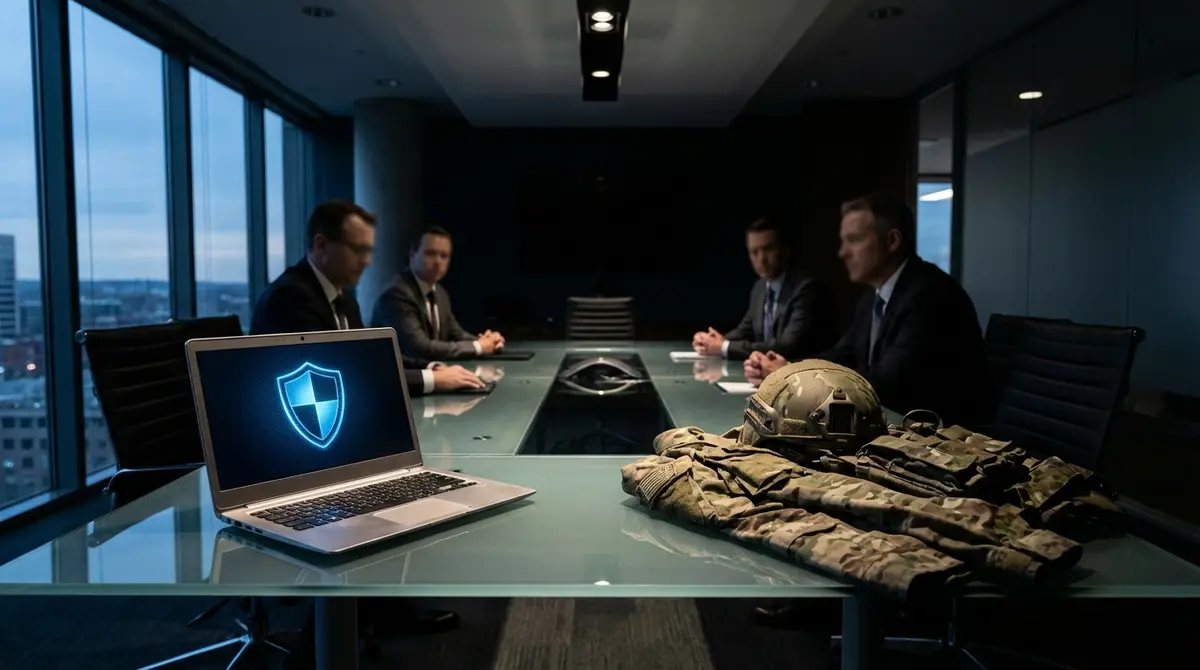
Imagine being offered a massive government contract, but with a massive catch: you have to fundamentally change the rules of how your product works. That is exactly the position Anthropic finds itself in right now. The creators of Claude are reportedly staring down the potential loss of a contract worth $200 million because they won’t say “yes” to everything the U.S. military wants.
This isn’t just a minor disagreement over terms and conditions. It is a major ideological clash that signals a fracture in the AI industry. While competitors are lining up to work with the Department of War (DoW), Anthropic is digging in its heels regarding what its AI should—and absolutely should not—be allowed to do.
Why is the Pentagon threatening to cancel Anthropic’s contract?
Here is the core of the dispute: The Pentagon wants the keys to the car without any speed limiters. According to reports from Axios, defense officials are demanding that AI companies allow their technology to be used for “all lawful purposes.” In military terms, that is a very broad umbrella that includes weapons development and battlefield operations.
The DoW is reportedly threatening to terminate its contract with Anthropic because the company refuses to remove specific usage restrictions. An anonymous Trump administration official put it bluntly to Axios, stating that while everything is on the table, there would have to be an “orderly replacement” for Anthropic if they decide that cutting ties is the right answer.
The tension has been dialed up by the Trump administration’s 2026 “AI Acceleration Strategy,” which mandates aggressive adoption of military AI to keep up with global rivals. The government wants tools they can use freely, and Anthropic’s restrictions are being viewed as a roadblock.
![Illustration related to Anthropic Pentagon Contract Dispute: $200M Risk [Analysis]](https://bytewire.press/wp-content/uploads/bytewire-images/2026/02/anthropic-pentagon-contract-dispute-200-million-d39926bbb0.webp)
What specific restrictions is Anthropic refusing to lift?
You might be wondering, what exactly is Anthropic forbidding the military from doing? The company is holding firm on its Acceptable Use Policy, which is rooted in its “Constitution-based alignment.” Specifically, Anthropic has drawn hard lines against using its models for two things: mass surveillance of Americans and fully autonomous weaponry.
![Diagram related to Anthropic Pentagon Contract Dispute: $200M Risk [Analysis]](https://bytewire.press/wp-content/uploads/bytewire-images/2026/02/anthropic-pentagon-contract-dispute-200-million-50aa632637.webp)
Get our analysis in your inbox
No spam. Unsubscribe anytime.