Did you catch the recent launch of the MacBook Neo? At just $599, it felt like a breath of fresh air for students and budget-conscious buyers who have been priced out of the ecosystem for years. With its A18 Pro chip and education focus, Apple seemed to be making a play for the Chromebook crowd. But if you thought this signaled a permanent shift toward affordability, you might want to hold onto your wallet.
According to fresh reports, the pendulum is about to swing hard in the opposite direction. Now that the entry-level market is anchored, Apple is reportedly preparing to shatter its own price ceilings with a wave of “Ultra” class devices. From foldable phones that cost as much as a used car to a laptop feature Steve Jobs famously hated, Cupertino is gearing up for a high-end overhaul.
Why is Apple pivoting to ‘Ultra’ devices now?
It sounds contradictory, doesn’t it? Releasing a budget laptop one minute and a super-premium device the next. But this is actually a classic pincer movement. By launching the MacBook Neo and the iPhone 17e, Apple has effectively secured the bottom of the funnel. They’ve created an entry point for students and casual users.
With that base secure, they have the freedom to push the upper limits of what enthusiastic users are willing to pay. Bloomberg’s Mark Gurman notes that while the next batch of releases might not literally carry the “Ultra” name like the Apple Watch, they will certainly command “Ultra” premiums. Gurman explains that Apple isn’t necessarily inventing entirely new product categories; instead, they are “taking proven ones and stretching them across multiple price points.”
Essentially, we are looking at a four-tier hierarchy emerging across their product lines: Entry, Standard, Pro, and Ultra.
What can we expect from the rumored $2,000 Foldable iPhone?
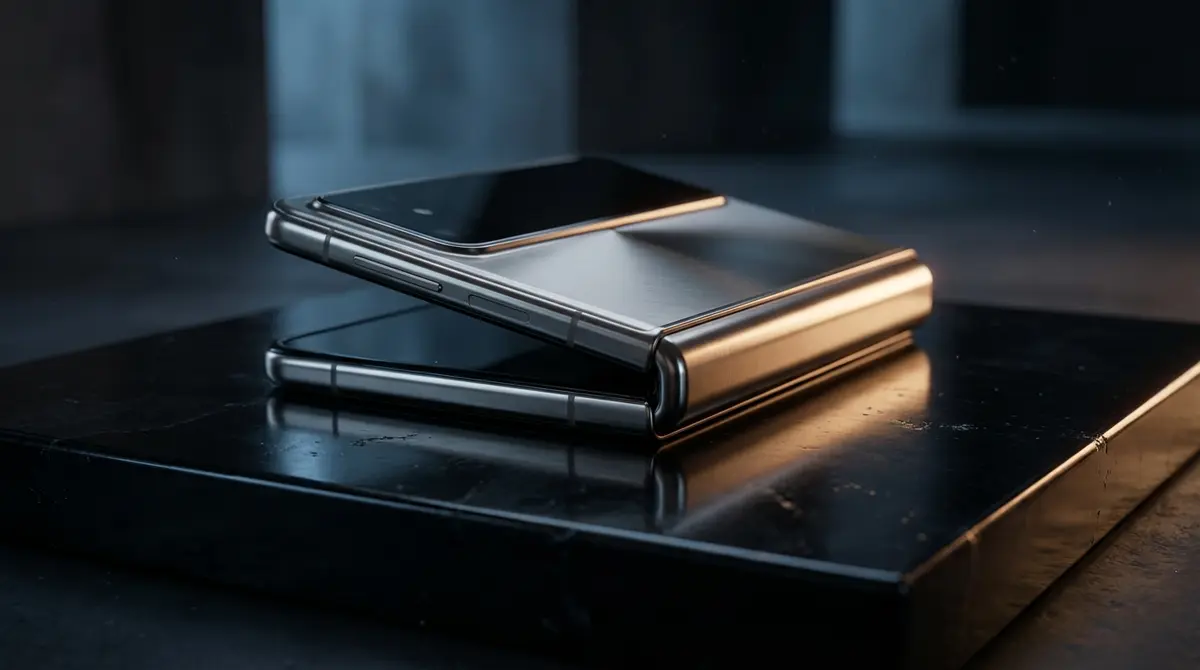
The rumor mill has been churning about a foldable iPhone for years, but the details are finally starting to solidify. Reports indicate that this device—potentially dubbed the ‘iPhone Ultra’—is slated to launch with a price tag hovering around $2,000. That puts it on a direct collision course with Samsung’s Galaxy Z Fold series, which has dominated this niche for quite some time.
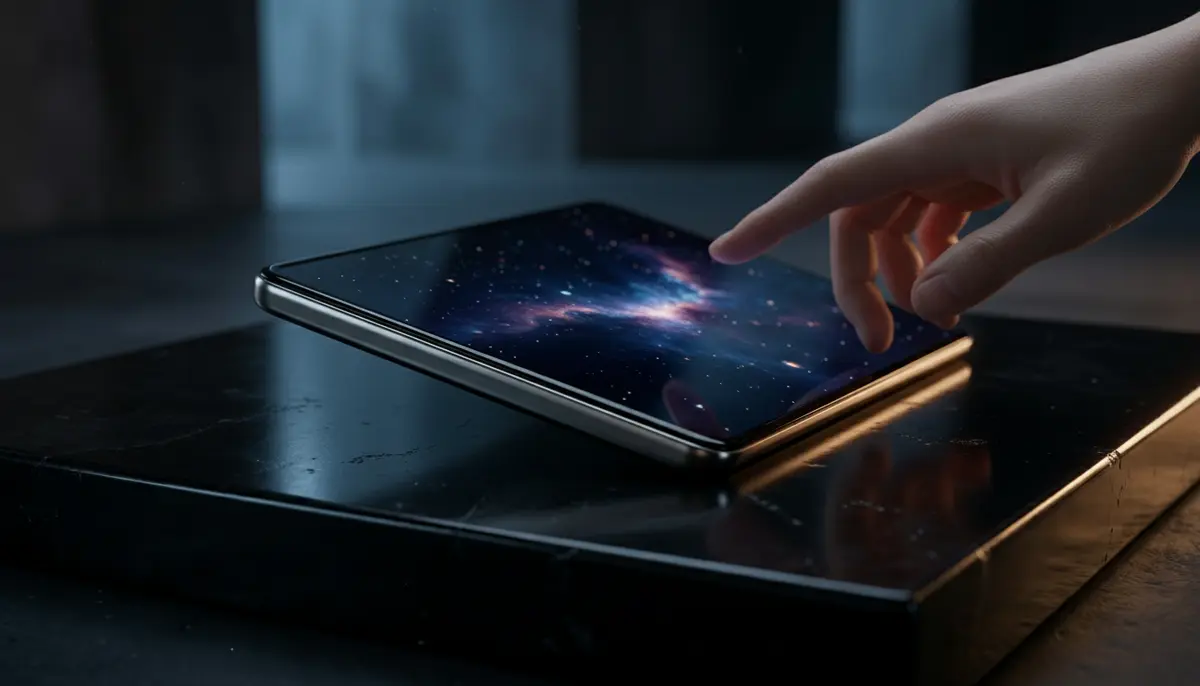
So, what do you get for that kind of money? We’re looking at a large inner display that transforms the phone into a tablet-like canvas, paired with advanced under-screen sensors. Gurman describes this forthcoming foldable as a device that “casts a shadow over the rest of the lineup.” It creates a new halo product that makes the iPhone Pro Max look almost reasonable by comparison.
Is the touchscreen MacBook Pro finally happening?
If you’ve followed Apple for a long time, you know the lore. Steve Jobs was adamant that touchscreens didn’t belong on vertical surfaces like laptops. For years, Apple held the line, insisting that if you wanted to touch a screen, you should buy an iPad.
Well, times change. It looks like Apple is finally ready to reverse that long-standing philosophy. A high-end touchscreen MacBook Pro is reportedly expected to arrive in late 2026. This would be the first Mac laptop to ever support native touch input, acknowledging that the lines between tablet and laptop workflows have blurred beyond recognition.
The device is expected to feature a stunning OLED display, aiming to disrupt the premium Windows laptop market where touchscreens have been standard for a decade. It’s a significant admission from Apple that perhaps the users were right all along.
How will cameras change the next AirPods?
Perhaps the most sci-fi development in this “Ultra” push involves the humble AirPod. You might use them just for music and calls right now, but Apple has bigger plans. The next generation of high-end AirPods is rumored to include infrared cameras.
Why put cameras in your ears? It’s not for taking selfies. These sensors are designed to enable “visual intelligence” features and in-air gesture controls. Imagine controlling your audio or interacting with a mixed-reality interface simply by moving your hands in the air, tracked by your earbuds. It fits perfectly into the broader ecosystem Apple is building around spatial computing.
The Real Story
While the gadgets are exciting, the real story here is about Apple solving its “Average Selling Price” (ASP) problem. The $599 MacBook Neo is great for market share, but it hurts profit margins. To balance the books, Apple needs a subset of users to pay significantly more—hence, the $2,000 iPhone. Furthermore, the touchscreen MacBook Pro is a quiet admission of defeat regarding the iPad: Apple has realized that for “real work,” users still prefer the clamshell form factor, but they now expect the interactivity of a phone. By merging the two, Apple isn’t just innovating; they are finally giving up on the idea that the iPad can fully replace the laptop.