Remember when buying a budget phone felt like a punishment? You would save a few hundred dollars, but in exchange, you were stuck with a dim screen, a camera that panicked in low light, and a battery that gave up before your commute home. If you haven’t looked at the affordable end of the market lately, you might be surprised to find that those days are effectively over.
The budget smartphone landscape in 2026 has matured into something genuinely impressive. The gap between a $400 device and a $1,000 flagship has narrowed to a sliver, largely due to the commoditization of high-end features. We are now seeing 120Hz OLED displays and 50MP main cameras as standard equipment rather than luxury add-ons. However, market indicators suggest we might be in a temporary sweet spot before component shortages shift the pricing landscape once again.
Which phone is claiming the crown for overall value?
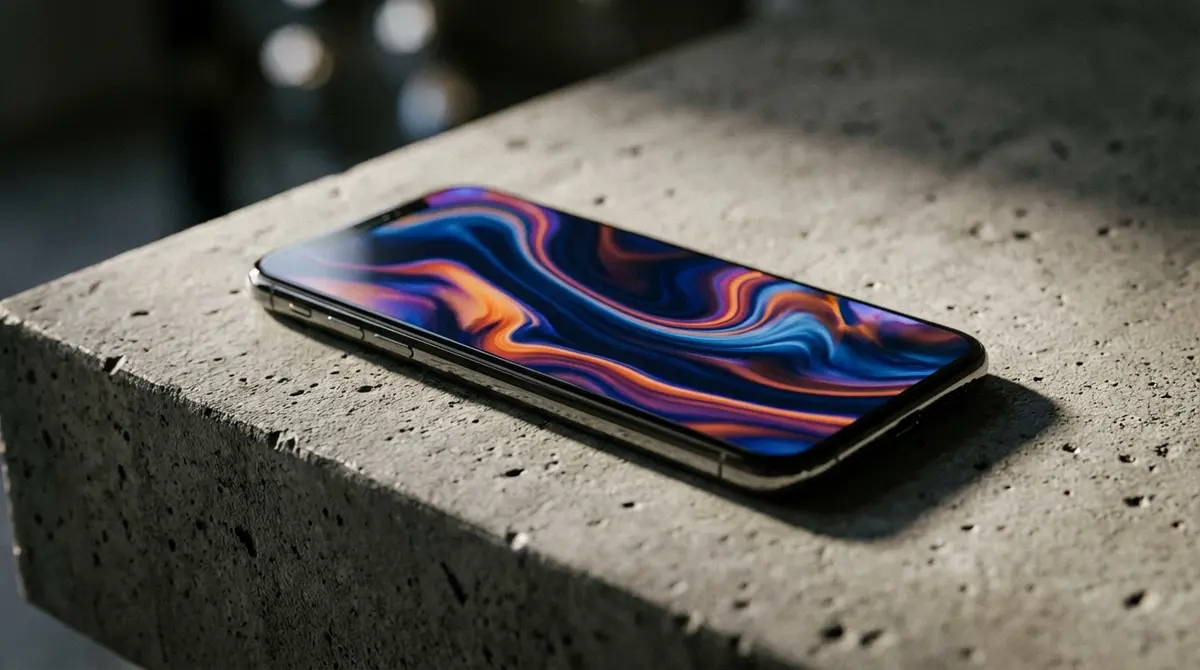
If you are looking for the default recommendation this year, all eyes are on the Google Pixel 10a. At $499, it is widely considered the best overall budget Android phone for 2026. Google has managed to integrate its ‘Actua’ OLED display technology into the A-series, fixing the brightness complaints of previous generations.
Under the hood, it pairs the Tensor G4 chip with 7 years of software support. This is a significant shift in value proposition; you aren’t just buying a phone for today, but one that is guaranteed to stay secure into the 2030s. Engadget has even noted that the device is “everything the iPhone 16e should have been,” signaling just how aggressive Google has become in capturing the mid-range market.
Can you still find flagship performance under $600?
For those who prioritize raw horsepower over camera software, the OnePlus 14R ($599) has emerged as the definitive ‘performance flagship killer.’ While Google focuses on AI smarts, OnePlus is doubling down on sheer speed. The device packs a Snapdragon 8 Gen 3 processor—a chip that was powering top-tier devices not long ago—and pairs it with a massive 6,000mAh battery.
There are tradeoffs, of course. To hit that price point while offering premium processing power, OnePlus has omitted wireless charging. However, for mobile gamers or power users who need endurance, that massive battery and processor combo offers a compelling alternative to phones costing nearly twice as much.
Are Samsung and Motorola still relevant in the budget space?
Samsung has responded to the pressure from Chinese manufacturers by significantly upgrading the build quality of its A-series. The Galaxy A56 5G has ditched the plastic-fantastic feel of the past, adopting metal frames and glass backs previously reserved for the S-series, while the ultra-budget Galaxy A16 5G features a durable plastic frame and ‘Glastic’ back. Like Google, Samsung is leaning hard on longevity, offering 6 years of OS updates.
Meanwhile, Motorola continues to dominate the sub-$300 category. The Moto G Stylus 5G 2026 is anticipated to stand out not just for its built-in stylus, but because it brings a 120Hz screen to an incredibly aggressive price point. While competitors fight over the $500 mark, Motorola is ensuring that the entry-level experience doesn’t feel cheap.
Why should you consider buying right now?
Here is the critical context that isn’t on the spec sheet: we might be standing on a pricing precipice. According to research analysts, a global rise in RAM component costs is predicted for late 2026. This is largely driven by the explosive demand for memory from AI data centers, which competes for the same fabrication capacity used for smartphone memory.
Android Authority has noted that if you expect to need a new cheap Android phone in 2026, you are “almost certainly better off buying right now while prices are stable.” The current crop of phones benefits from the ‘trickle-down’ of AI capabilities—like Google’s Gemini Nano and Samsung’s Galaxy AI—without the price hike that may be necessary in future iterations to cover rising memory costs.
Looking Ahead
The budget market is currently in a paradoxical state that benefits the consumer but threatens manufacturer bottom lines. By offering 6-to-7-year support cycles, companies like Google and Samsung are effectively sabotaging their future hardware sales; a user who buys a Pixel 10a today has no security-related reason to upgrade until 2033. This will likely force a pivot in business strategy over the next few years, where revenue growth shifts from hardware turnover to aggressive ecosystem lock-in or subscription-based AI features. For now, however, the consumer wins—buying a budget phone in 2026 is the smartest investment in mobile tech we have seen in a decade.