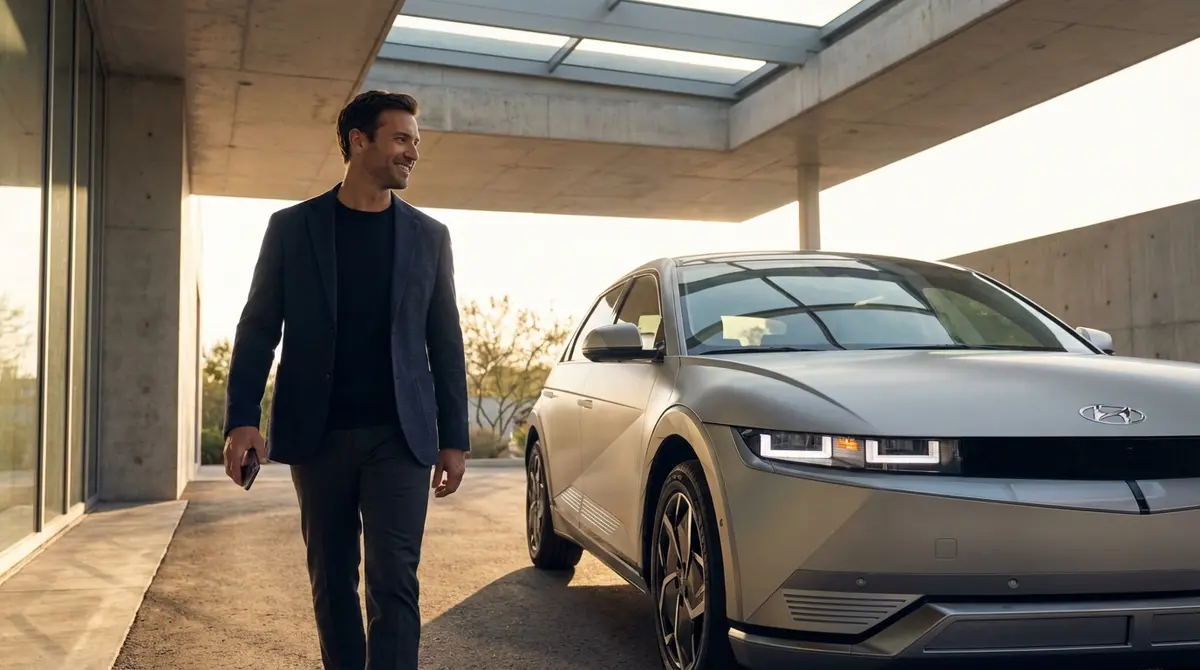
The days of rummaging through pockets for a physical key fob may be numbered as the automotive and technology industries take a significant step toward a unified, phone-based future. In a rare display of cross-industry collaboration, rivals from Silicon Valley and Detroit gathered in Palo Alto, California, earlier this month to ensure that the next generation of digital car keys works seamlessly across all devices and vehicles.
The 16th annual End-to-End Plugfest, organized by the Car Connectivity Consortium (CCC), ran from January 12 to 16, 2026. Co-hosted by Rivian and Volkswagen Group Technologies at their joint facility, the event brought together heavyweights including Apple, Google, BMW, General Motors, Hyundai, and Mercedes-Benz. Their goal was to stress-test the interoperability of the latest digital key standards, specifically focusing on technologies that allow for secure, hands-free vehicle access.
What happened at the 16th CCC End-to-End Plugfest?
While digital keys have existed in various proprietary forms for years, the Plugfest represents a critical move toward universal standardization. The event served as a proving ground for the CCC Digital Key Release 4, a specification designed to harmonize how smartphones communicate with vehicles regardless of the operating system or car brand.
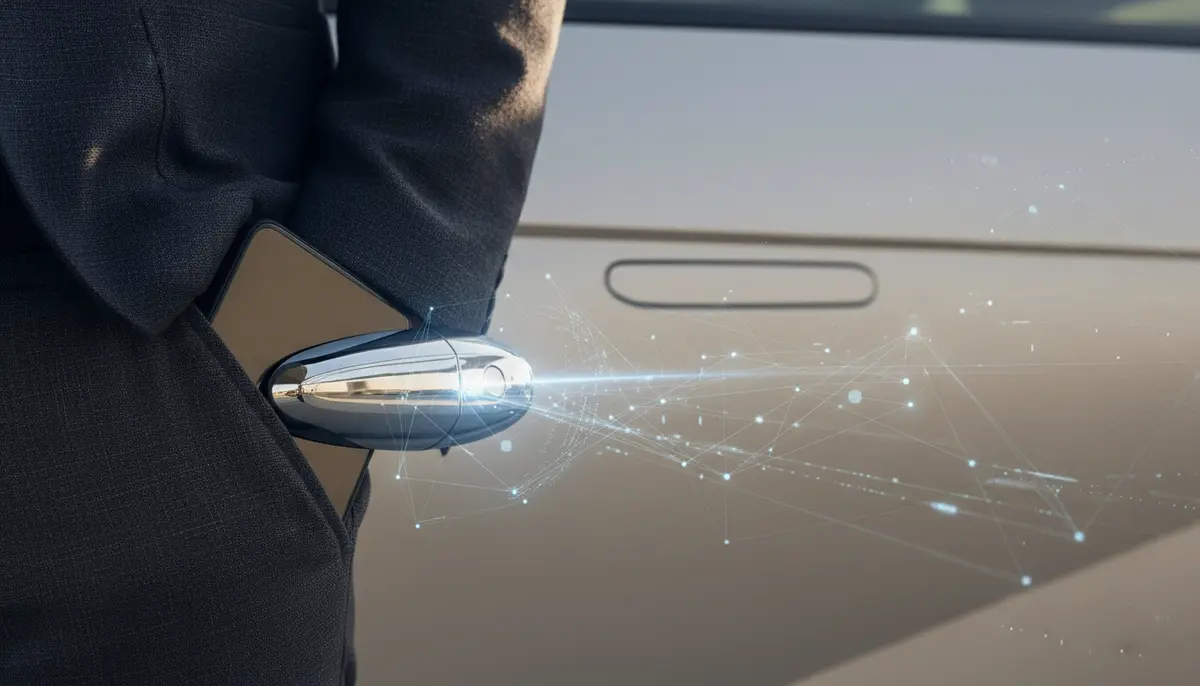
According to the consortium, the primary focus of this year’s testing was the integration of Ultra-Wideband (UWB) and Bluetooth Low Energy (BLE) technologies. Unlike earlier iterations that required users to tap their phone against a door handle (via NFC), the new standard enables "passive entry." This allows drivers to unlock and start their vehicles without ever removing their device from their pocket or bag.
Ganesh Venkatesan, the Technical Director of the CCC, noted that the event allowed members to validate these technologies in real-world conditions. The rigorous testing schedule included Bluetooth LE sniffing, updated NFC evaluations, and specific UWB tool testing to refine implementations before they reach mass-market consumers.
How does Ultra-Wideband technology improve security?
Security has long been the primary hurdle for digital key adoption. Early keyless entry systems were often vulnerable to relay attacks, where thieves could amplify the signal from a key fob inside a house to unlock a car in the driveway. The shift to UWB technology aims to eliminate this vulnerability.
UWB acts like a radar that can precisely measure the distance between the phone and the vehicle. It prevents relay attacks by ensuring the digital key is physically close to the car before granting access. During the Plugfest, engineers tested backward compatibility with Digital Key Release 3 and NFC-based scenarios to ensure that even as security tightens, the user experience remains smooth across different generations of hardware.
A spokesperson for Rivian stated via press release that hosting events like this helps ensure that features owners already use remain secure and reliable as standards evolve. This follows Rivian’s rollout of its Gen 2 Digital Key support in December 2025, which leveraged these exact CCC standards.
Is the market ready for a digital-only future?
The data suggests the industry has passed the point of no return. The CCC reported a surge in adoption leading up to the event, with 115 new product certifications issued in 2025 alone. Alysia Johnson, President of the CCC, described this surge as a "real inflection point for the industry," noting a transition from early adoption to global scale.
Market reports now project the automotive digital key sector will exceed $14 billion by 2035. This growth is driven not just by consumer convenience, but by the potential for new business models. Standardized digital keys enable seamless peer-to-peer car sharing and easier fleet management, as access can be granted or revoked remotely without exchanging physical hardware.
ByteWire Analysis
The significance of the 16th Plugfest isn’t just that the technology works, but that it works together. For years, the fragmentation between iOS and Android ecosystems meant that a digital key feature might work perfectly for an iPhone user but fail for an Android user, or vice versa. By bringing Apple and Google into the same room as BMW and GM to test on the same standards, the industry is effectively removing the friction that has kept digital keys as a niche luxury feature. When interoperability is guaranteed, the physical key fob becomes a redundancy rather than a necessity, likely leading automakers to eventually phase them out to reduce manufacturing costs and electronic waste.
What This Means
For consumers, the successful conclusion of the 2026 Plugfest means the next vehicle you purchase will likely offer a phone-as-key experience that is as reliable as a physical fob, regardless of what smartphone you carry. We expect to see a rapid expansion of "passive entry" features trickling down from luxury models to mid-range vehicles over the next 18 to 24 months. Furthermore, this standardization lays the groundwork for a future where lending your car to a friend is as simple as sending a secure link via text message, fundamentally changing how we view vehicle ownership and access.