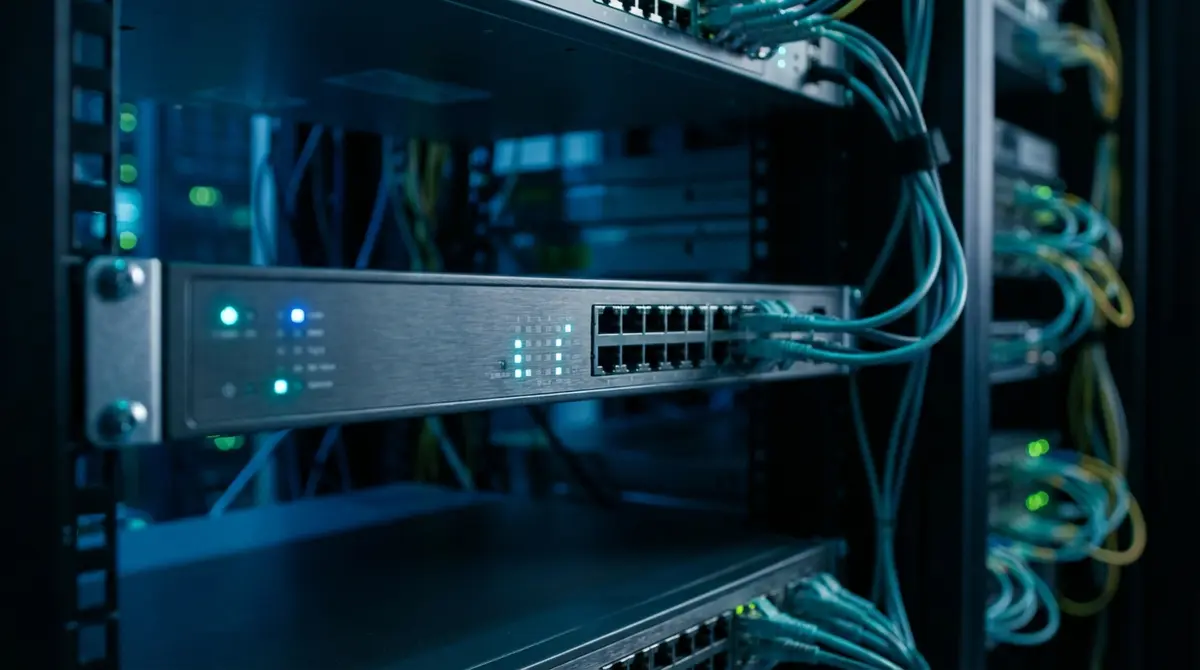
If you have been planning a network refresh this quarter, you might want to double-check your budget spreadsheets. During its Q2 2026 earnings call, Cisco dropped some news that usually makes IT directors wince: hardware prices are going up. But this isn’t just standard inflation or supply chain gremlins at work—it is a direct side effect of the massive global rush toward Artificial Intelligence.
Cisco CEO Chuck Robbins didn’t mince words, effectively telling investors that while customers might not like paying more, they essentially have no choice. The company reported a solid quarter with record revenue of $15.3 billion, but the headline for buyers is that the components inside those boxes are getting significantly more expensive.
Why are memory prices skyrocketing right now?
You might be wondering why component costs are surging when supply chains were supposed to be normalizing. The culprit is a phenomenon analysts are calling the "capacity siphoning effect."
According to research data, global prices for DRAM and NAND memory surged by approximately 80-90% in the first quarter of 2026 compared to the end of 2025. This massive spike is happening because the major memory manufacturers—specifically Samsung, SK Hynix, and Micron—have pivoted hard. They are shifting their production lines to focus on High Bandwidth Memory (HBM), which is the lifeblood of AI chips.
![Illustration related to Cisco Hardware Price Increase: Memory Costs Surge [2026]](https://bytewire.press/wp-content/uploads/bytewire-images/2026/02/cisco-hardware-price-hike-memory-costs-q2-2026-09ccbe32e0.webp)
Because these manufacturers are chasing the AI gold rush, there is simply less production capacity left for the standard memory used in everyday networking gear and servers. The result? A structural shortage that is driving prices to record highs.
How is the market reacting to the hikes?
Despite the sticker shock, Cisco’s financials suggest that enterprises aren’t closing their wallets. The company reported a 10% year-over-year revenue increase, with product revenue specifically jumping 14%. It seems the demand for connectivity is inelastic enough to withstand the price bumps.
![Diagram related to Cisco Hardware Price Increase: Memory Costs Surge [2026]](https://bytewire.press/wp-content/uploads/bytewire-images/2026/02/cisco-hardware-price-hike-memory-costs-q2-2026-64892fff6e.webp)
Get our analysis in your inbox
No spam. Unsubscribe anytime.