Imagine cruising down the highway at 65 mph, hands off the wheel, trusting your car’s advanced tech to handle the road. Now imagine a stationary vehicle appears ahead, and your car does absolutely nothing. That’s exactly the terrifying scenario at the center of a major federal investigation into Ford’s BlueCruise system.
According to reports, the National Transportation Safety Board (NTSB) is preparing for a highly anticipated hearing on March 31, 2026, led by NTSB Chair Jennifer Homendy. Their goal? To determine the probable cause of two devastating fatal crashes in 2024 involving Ford Mustang Mach-E vehicles operating on BlueCruise.
What caused the 2024 Ford Mustang Mach-E fatal crashes?
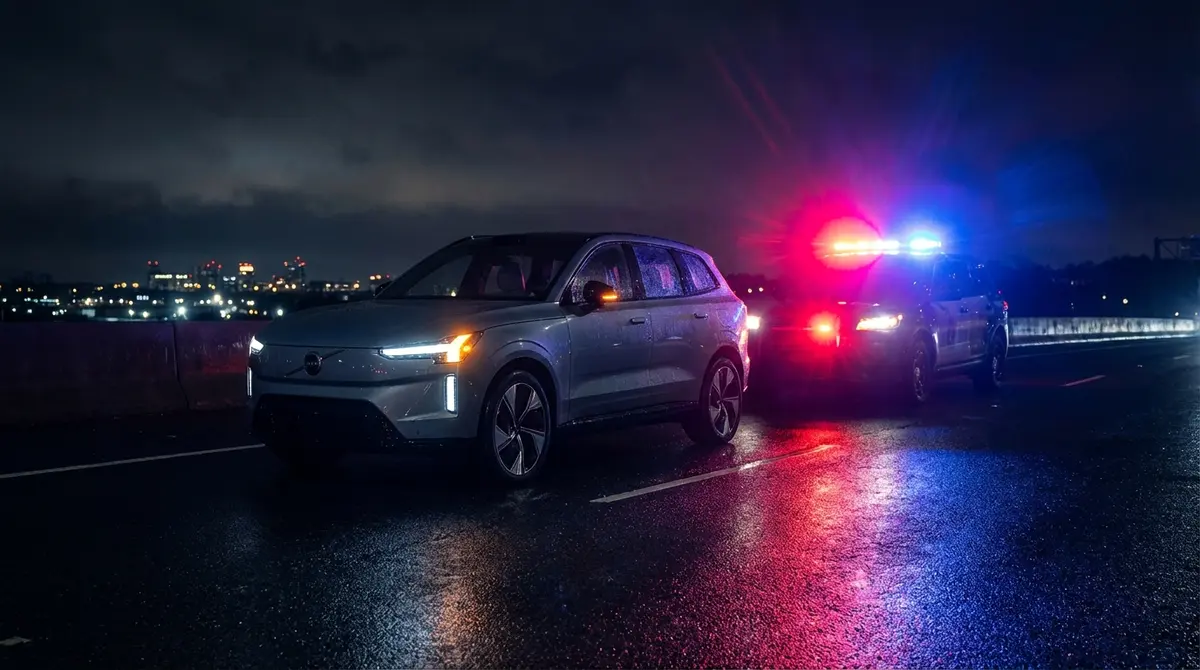
The incidents in question took place in San Antonio, Texas, and Philadelphia, Pennsylvania. In both cases, Ford Mustang Mach-E vehicles struck stationary cars at highway speeds, resulting in three tragic deaths.
Here is the kicker: NTSB data indicates that in the moments right before impact, there was absolutely no braking or steering recorded. The drivers didn’t react, and neither did the car. Investigators believe the drivers were likely distracted before the collisions. But why didn’t the vehicle’s advanced safety systems step in to prevent the tragedy?
Why didn’t Ford BlueCruise detect stationary cars?
Ford’s BlueCruise is a Level 2 advanced driver assistance system (ADAS). This means it allows for hands-free driving on specifically mapped highways, but it still legally requires the human driver to remain attentive and ready to take over instantly. However, the system’s underlying code might have a glaring blind spot.
The National Highway Traffic Safety Administration (NHTSA) has been digging into these crashes alongside the NTSB and flagged a highly concerning design choice. According to their findings, BlueCruise is designed in a way that inhibits any response to reported stationary objects when the vehicle is approaching at speeds of 62 mph or higher. Essentially, if you are driving at normal highway speeds, the system might intentionally ignore a stopped car in your lane.
How are regulators responding to the BlueCruise investigation?
Federal regulators are not taking this lightly. In January 2025, NHTSA officially upgraded its investigation into Ford’s BlueCruise to an engineering analysis. This massive probe covers Mustang Mach-E vehicles from model years 2021 through 2024.
During the upcoming March 2026 meeting, NTSB board members will discuss the core safety issues surrounding sensor limitations and driver-monitoring cameras. They will vote on the probable causes and issue formal safety recommendations designed to prevent similar tragedies. It is a moment of reckoning not just for Ford, but for the entire concept of hands-free highway driving.
Will the Ford BlueCruise investigation impact other automakers?
The short answer is yes. The broader automotive industry is currently facing intense scrutiny over how Level 2 systems operate and how effectively they monitor driver attention. For context, Tesla recently had to recall 2 million vehicles to enhance the safety safeguards of its Autopilot system.
As federal regulators scrutinize the effectiveness of driver-monitoring cameras and radar limitations, their findings will likely set a new benchmark. If the NTSB decides that current driver-monitoring tech isn’t enough to prevent fatal distractions, every automaker relying on similar technology will have to rethink their approach.
What To Watch
Ford stands to lose significant consumer trust and capital if the NTSB and NHTSA findings force sweeping hardware recalls or major software overhauls. However, this investigation’s true impact extends far beyond a single automaker. The non-obvious implication here is the death of the “hands-free but eyes-on” compromise. A senior autonomous systems engineer would argue that relying on human intervention at 65 mph when a system deliberately ignores stationary objects is a fundamental design flaw, not just a driver error issue. Expect regulators to establish strict new precedents that could mandate active LiDAR or significantly more aggressive driver-monitoring systems for all Level 2 vehicles. Ultimately, legacy automakers that cut corners on sensor suites to keep costs down will be the biggest losers in this impending regulatory shift.
![Illustration related to Ford BlueCruise Fatal Crash Investigation: 2 Deaths [2026]](https://bytewire.press/wp-content/uploads/bytewire-images/2026/03/ford-bluecruise-ntsb-investigation-fatal-crashes-6253269f46.webp)
![Diagram related to Ford BlueCruise Fatal Crash Investigation: 2 Deaths [2026]](https://bytewire.press/wp-content/uploads/bytewire-images/2026/03/ford-bluecruise-ntsb-investigation-fatal-crashes-aa6515844c.webp)