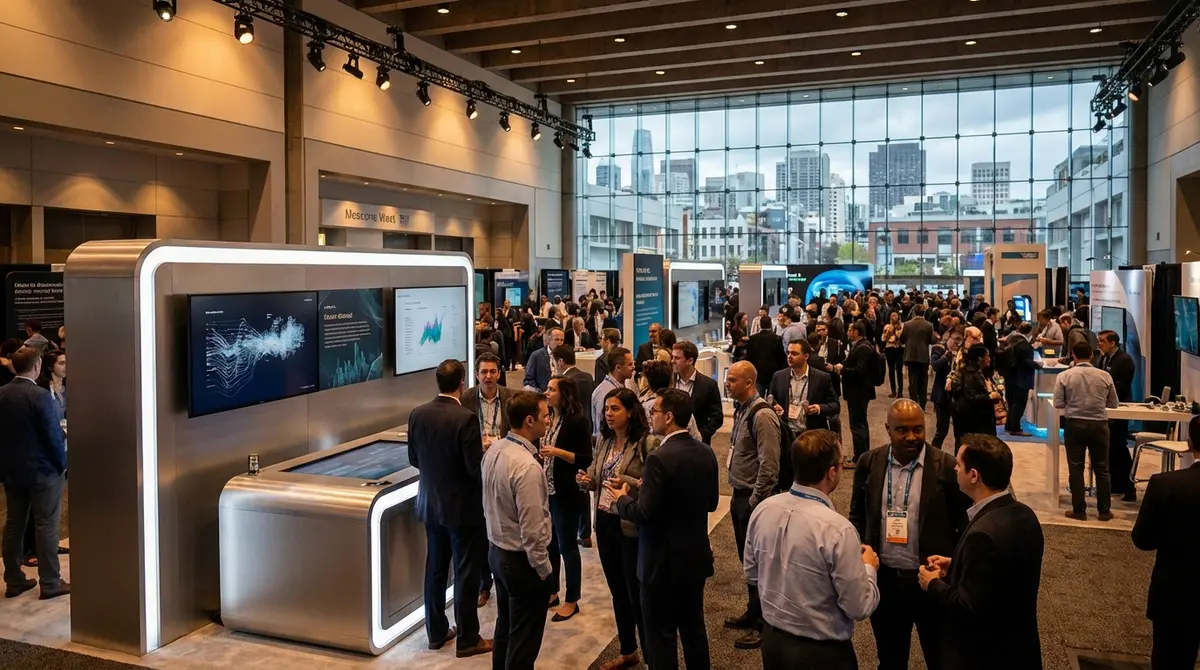
For early-stage founders, the defining problem of 2026 isn’t just building the product—it is cutting through the noise in a venture capital landscape that has fundamentally changed. The era of “spray and pray” investing is over, replaced by a highly selective environment where cold outreach often leads to dead ends. The solution for many lies in physical proximity and high-bandwidth networking, a strategy that centers on the industry’s largest gathering: TechCrunch Disrupt 2026.
Scheduled for October 13-15 at Moscone West in San Francisco, this year’s event is projected to draw over 10,000 attendees, including a dense concentration of investors, founders, and tech leaders. While securing a pass is standard procedure, the real strategic lever is the exhibitor floor. With ticket sales now open, startups face a critical decision: is booking an exhibit table merely a branding exercise, or a necessary tactical move to bypass the inbox and secure capital?
Why is face-to-face engagement critical in the AI-native era?
The primary challenge for startups today is differentiation. As Y Combinator’s 2026 Request for Startups signaled, the market is shifting aggressively toward “AI-native” companies—specifically those that promise to replace human labor rather than merely augment it. In a digital sea of pitch decks claiming AI capabilities, investors are struggling to verify technical reality remotely.
Exhibiting at Disrupt solves this verification problem. By securing a physical presence among the 300+ expected exhibitors in the Expo Hall, founders can demonstrate live workflows directly to investors who are actively deploying capital. This isn’t about handing out swag; it is about proof of work. The event serves as a filter, allowing founders to bypass the skepticism inherent in Zoom pitches and establish immediate credibility through live product demos. With the landscape pivoting toward automation-focused startups, the ability to show—rather than just tell—how a product handles complex workflows is a distinct competitive advantage.
How can startups secure their spot before prices rise?
One of the most common pitfalls for bootstrapping startups is budget mismanagement regarding event logistics. Waiting too long to commit to a major conference often results in paying premium rates that erode the potential Return on Investment (ROI). To solve this, savvy operators need to act on the current pricing structure immediately.
According to Benzatine Infotech and event organizers, ticket sales formally opened in January 2026 with “Super Early Bird” pricing. These are the lowest rates available for the entire year, but the window is closing rapidly; this pricing tier ends on February 27, 2026. Locking in an exhibitor package now does more than save cash flow—it guarantees placement before the floor plan becomes saturated. High demand for exhibitor space early in the year suggests a competitive market where peers are already prioritizing direct investor access. Delaying beyond February not only increases costs but risks relegation to less desirable locations on the floor.
What makes the 2026 edition different from previous years?
Veterans of the tech circuit might ask if Disrupt is still relevant. The answer lies in the specific focus of the 2026 agenda. Unlike previous years that may have focused on crypto or general SaaS, the 2026 edition is positioned as a barometer for the “AI-native” economy. The event will feature the renowned “Startup Battlefield 200” pitch competition and over 200 expert-led sessions, but the thematic undercurrent is distinct.
Industry analysts note that the wildcard for 2026 isn’t if AI will disrupt labor, but the speed of that disruption. Disrupt 2026 is shaping up to be the physical manifestation of this trend. For exhibitors, this means the audience isn’t just looking for new apps; they are looking for structural changes to the economy. TechCrunch has framed the event not just as a launchpad—referencing alumni like Dropbox and Mint—but as a “growth accelerator.” The solution for founders is to align their booth messaging specifically with this shift. If your product automates a workflow that previously required a human, your booth becomes a destination for serious investors, not just curious onlookers.
How do you maximize pipeline generation on the expo floor?
Booking the table is only step one. The problem many startups face is converting foot traffic into a tangible pipeline. Standing behind a table waiting for a VC to stop by is a failed strategy. The solution is active pipeline construction.
Successful exhibitors at Disrupt use the weeks leading up to October 13 to pre-schedule meetings, using the table as a fixed anchor point for discussions. With over 10,000 attendees, the noise level is high. Founders should treat the Expo Hall as a closing venue, not an introduction venue. By leveraging the “Super Early Bird” period to finalize logistics, teams can spend the spring and summer courting investors with the promise of a live, in-person deep dive at Moscone West. This turns the three-day event into the culmination of a six-month sales cycle, ensuring that when the doors open, the deal flow is already in motion.
Between the Lines
While TechCrunch markets Disrupt as a broad tent for the technology industry, the subtext of the 2026 event is a bifurcation of the startup class. The heavy emphasis on “AI-native” companies and the Y Combinator-backed shift toward labor replacement suggests that this event will be a graveyard for “wrapper” companies and a coronation for genuine deep-tech automation. The winners here won’t just be the startups with the best booths, but those who can prove they are building the infrastructure of the post-human-labor economy. For investors, the Expo Hall is less about discovery and more about due diligence—verifying which founders are actually building the future versus those simply riding the marketing wave.