Ever wonder what it takes to secure record-breaking funding before your startup is even old enough to walk? For the Chinese brain-computer interface (BCI) startup Gestala, the magic number is a staggering $21 million—and they managed to pull it off just two months after officially launching. This remarkable achievement highlights a growing appetite for alternative neurotechnology solutions that prioritize patient safety and accessibility.
What makes Gestala’s $21M funding round historic?
According to reports, Gestala’s massive seed round marks the largest early-stage funding ever recorded in China’s rapidly expanding brain-computer interface industry. Raising eight figures in your first sixty days is practically unheard of, even in the fast-paced world of tech venture capital. It signals a massive vote of confidence from investors who see something uniquely promising in what this nascent company is building.
![Illustration related to Non-Invasive Brain Tech Funding: Gestala's $21M Bet [2026]](https://bytewire.press/wp-content/uploads/bytewire-images/2026/03/gestala-21m-funding-china-non-invasive-brain-tech-026d82c800.webp)
How does Gestala’s non-invasive ultrasound tech work?
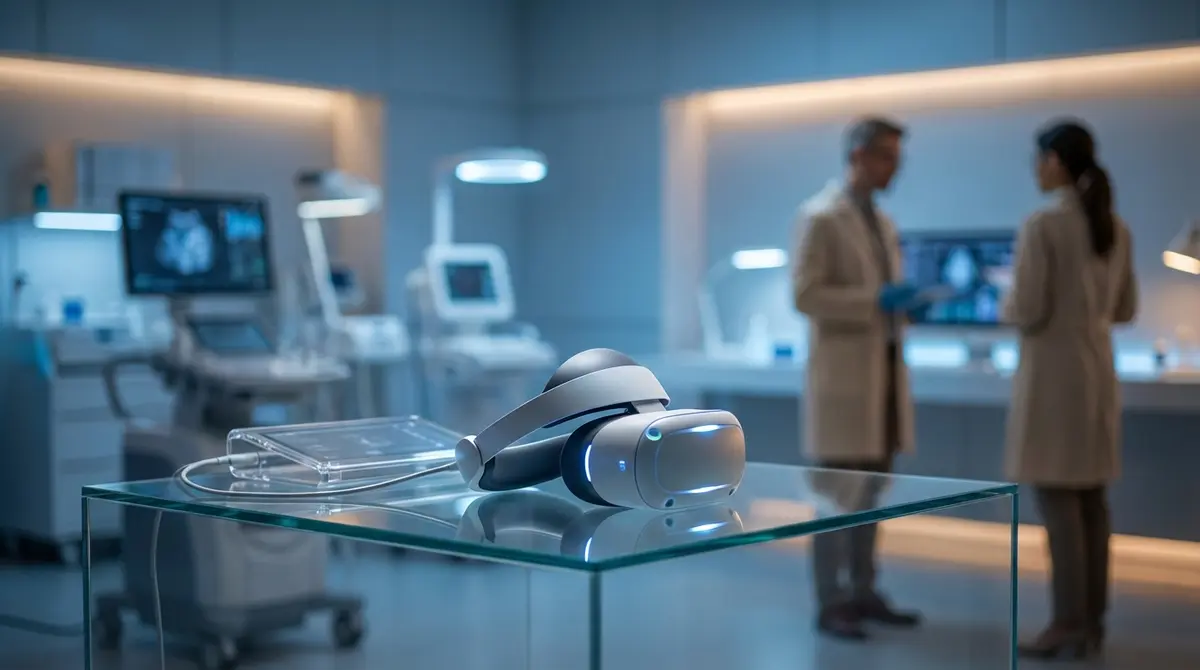
While details remain tightly under wraps due to the company’s sheer newness, early reports indicate that Gestala is focusing on non-invasive ultrasound brain technology. Instead of developing surgical implants that require medical procedures to connect humans to machines, Gestala is working on ways to interface with the brain using advanced, non-penetrating sound waves. This approach could radically lower the barrier to entry for BCI applications, moving the technology out of the surgical theater and closer to the consumer market. It also eliminates the risk of infection and long-term tissue damage associated with traditional electrodes.
Why is non-invasive BCI attracting so much capital?
We are seeing a distinct shift in how venture capital views the neurotech landscape. Developing invasive brain chips requires years of animal testing, immense regulatory hurdles, and complex clinical trials. By focusing on non-invasive ultrasound technology, a startup like Gestala can potentially bypass the most grueling medical regulations. Investors are likely betting that this faster path to market will yield a quicker return on investment, making that $21 million check a calculated risk rather than a wild gamble.
![Diagram related to Non-Invasive Brain Tech Funding: Gestala's $21M Bet [2026]](https://bytewire.press/wp-content/uploads/bytewire-images/2026/03/gestala-21m-funding-china-non-invasive-brain-tech-069acc46d9.webp)
Get our analysis in your inbox
No spam. Unsubscribe anytime.