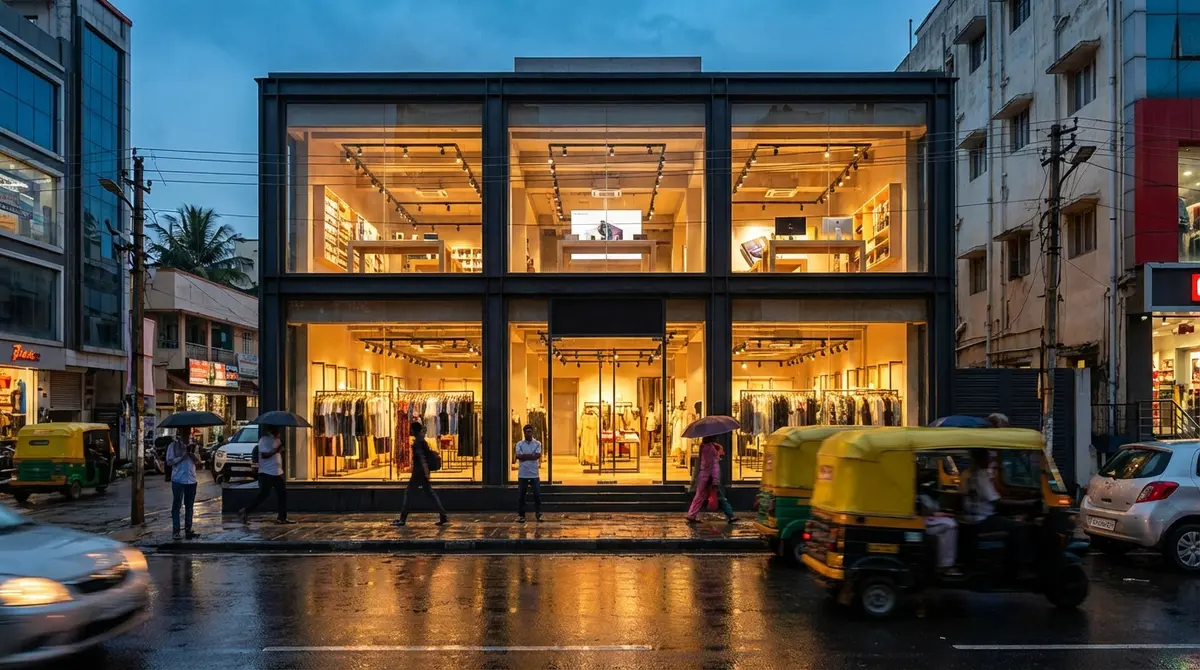
If you were walking through the upscale neighborhood of Indiranagar in Bengaluru on Valentine’s Day 2026, you might have stumbled upon a massive shift in the Indian smartphone landscape. Nothing, the London-based consumer tech brand founded by Carl Pei, officially opened the doors to its first retail store in India. This isn’t just a pop-up or a kiosk; it is a dedicated flagship meant to cement the brand’s physical presence in its most critical market.
For years, Nothing has operated primarily as a digital-native brand, building hype through online drops and community engagement. But as of February 14, 2026, the company has planted a very physical flag in the ground. The choice of location tells a story in itself—by prioritizing Bengaluru over political capital Delhi or financial hub Mumbai, Nothing is doubling down on its core demographic of tech professionals and enthusiasts.
What makes this store design different from a typical tech showroom?
Walk into a standard electronics store, and you usually see rows of tables with phones tethered to security cables. Nothing seems to be aiming for something far more atmospheric. The new outlet spans 5,000 square feet across two stories, making it the brand’s second global flagship following its London location.
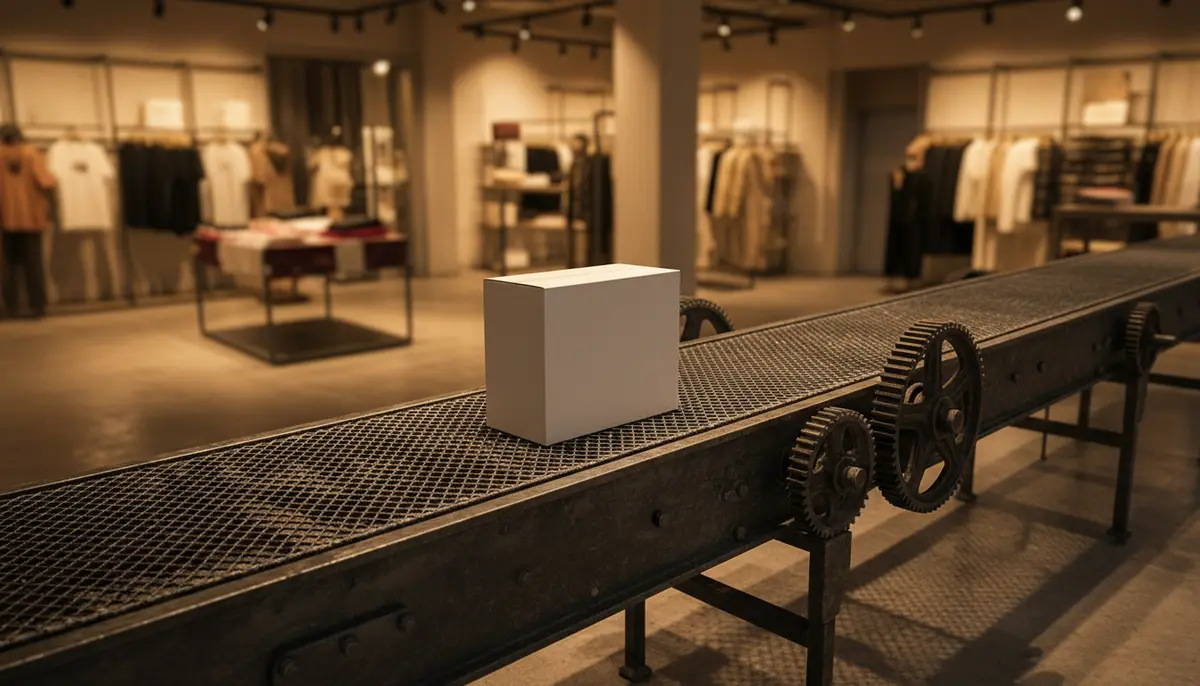
The aesthetic is described as "retro-futuristic," drawing specific inspiration from 1970s factory assembly lines. It is a design choice that aligns with the brand’s transparent, industrial hardware language. perhaps the most striking feature is a functioning conveyor belt system designed to deliver products to customers—a playful nod to the manufacturing process that turns a transaction into a piece of theater.
Beyond the sales floor, the store is engineered for the creator economy. It houses a dedicated creator studio specifically set up for unboxing videos, alongside a community hangout zone and arcade games. According to Akis Evangelidis, Nothing’s Co-founder and India President, the goal was to create a platform that invites "curiosity," leveraging the Indian market’s appreciation for design-led thinking.
Why is Nothing pivoting to offline retail now?
The timing of this launch is strategic. Nothing has aggressively targeted India as a primary growth engine, with Carl Pei noting that the country currently holds the brand’s largest user base globally. "India is one of these locations that we are working on and I think it just happened that this one was done first," Pei stated regarding the launch sequence.
Transitioning from an online-first model to establishing premium offline touchpoints is a classic maturity play in the smartphone sector. It mirrors the trajectories of giants like Apple and Samsung, who realized long ago that premium pricing requires a premium purchase experience. By establishing a physical foothold, Nothing is looking to build deeper brand loyalty that goes beyond reading a spec sheet on a website. This move complements their existing operational footprint, which already includes local manufacturing partnerships within the country.
What products and future plans were revealed?
The Indiranagar store retails the complete ecosystem of products from both the main parent company and its budget-friendly sub-brand, CMF by Nothing. Visitors can also purchase exclusive apparel and merchandise that aren’t available through third-party e-commerce channels.
Looking ahead, this store is just the first domino in a wider expansion. Reports confirm that Nothing plans to open subsequent flagship locations in New York City and Tokyo. On the hardware front, the company is reportedly gearing up for the launch of the "Nothing Phone (4a)" series. Interestingly, strategy shifts indicate they may skip a flagship "Phone 4" release this year entirely to focus on dominating the premium mid-range segment—a category that drives massive volume in markets like India.
Between the Lines
The Analysis: This store opening is a direct challenge to competitors like OnePlus and Xiaomi, but not on their usual terms. While Chinese OEMs typically fight on specifications and price-to-performance ratios, Nothing is betting the house on culture. By dedicating 5,000 square feet to arcade games, creator studios, and conveyor belts, they are signaling that they want to be a lifestyle brand, not just a hardware manufacturer.
The winners here are the Indian consumers who have long been treated as a volume market rather than a destination for experimental retail concepts. The loser in this equation is the pure-play online competitor who lacks the capital to build these kinds of "tech temples." Nothing is effectively saying that to win in 2026, you can’t just be in a user’s pocket; you have to be a place they want to hang out.