Have you ever tried to play your childhood Nintendo 64 on a modern flat-screen television?
It usually ends in a blurry, unplayable mess. You could download a software emulator, sure, but it never quite feels the same. The timing is off, the audio glitches, and you lose the tactile joy of clicking a physical cartridge into place. Enter Palmer Luckey. The prominent tech entrepreneur, who famously founded Oculus VR before selling it to Facebook for $2 billion, has a passion project that is suddenly growing up fast.
According to recent reports from the Financial Times, Luckey is currently in talks with investors to raise capital for his retro gaming startup, ModRetro, at a staggering $1 billion valuation. But how does a company making tribute consoles reach unicorn status? Let’s break down the hardware, the history, and what this means for the future of nostalgic gaming.
Why is ModRetro reportedly seeking a $1 billion valuation?
For a long time, the retro hardware market was viewed as a niche hobby for tinkerers, not a venture-scale category capable of satisfying institutional investors. However, a $1 billion valuation for ModRetro signals a massive shift in how the tech industry views premium nostalgia.
According to PitchBook data, ModRetro has previously raised approximately $19 million. Now, they are looking to massively scale up. This fundraising push is happening concurrently with moves at Luckey’s other major venture, the defense contractor Anduril Industries, which is reportedly in talks for a funding round that could value it above $60 billion. While defense tech and retro gaming seem worlds apart, both require intense hardware engineering and a willingness to challenge established industry giants.
Investors are betting that aging millennials with disposable income are ready to pay a premium for high-end, flawlessly engineered nostalgia. ModRetro is proving that they can command the margins and mainstream traction required to turn childhood memories into serious business.
What makes the ModRetro M64 different from standard emulators?
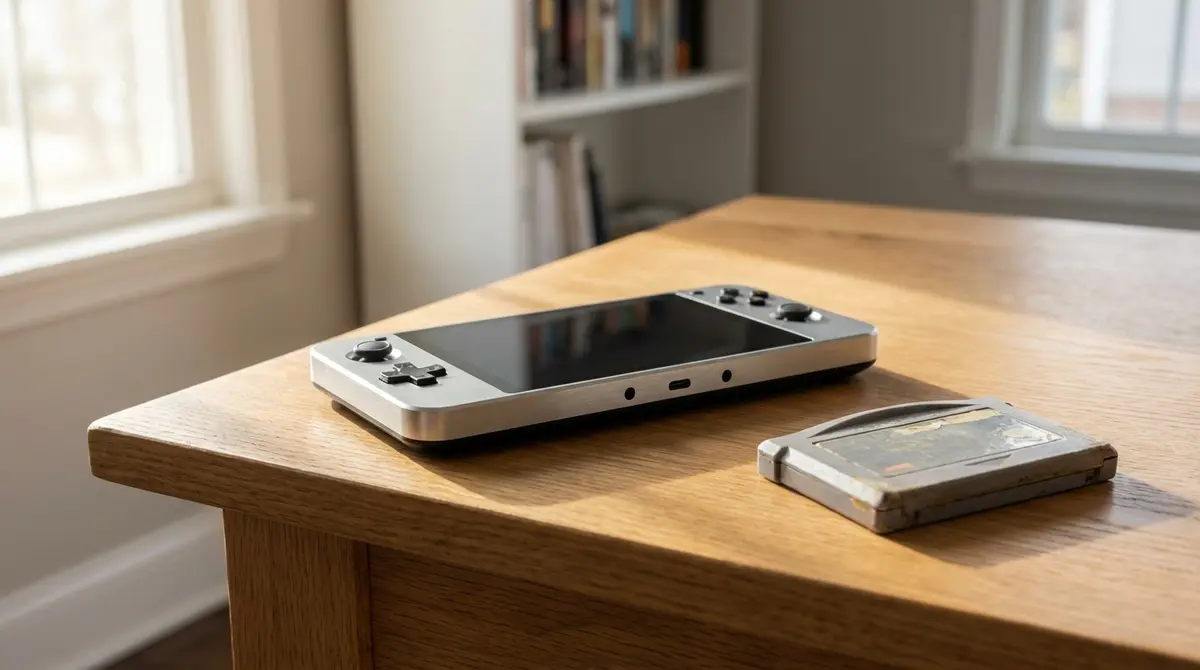
If you are wondering what justifies the hype, you have to look at ModRetro’s upcoming second device: the M64. Expected to ship in spring 2026, the M64 is a Nintendo 64 clone that plays original cartridges in stunning 4K resolution. But the real magic lies in how it processes those games.
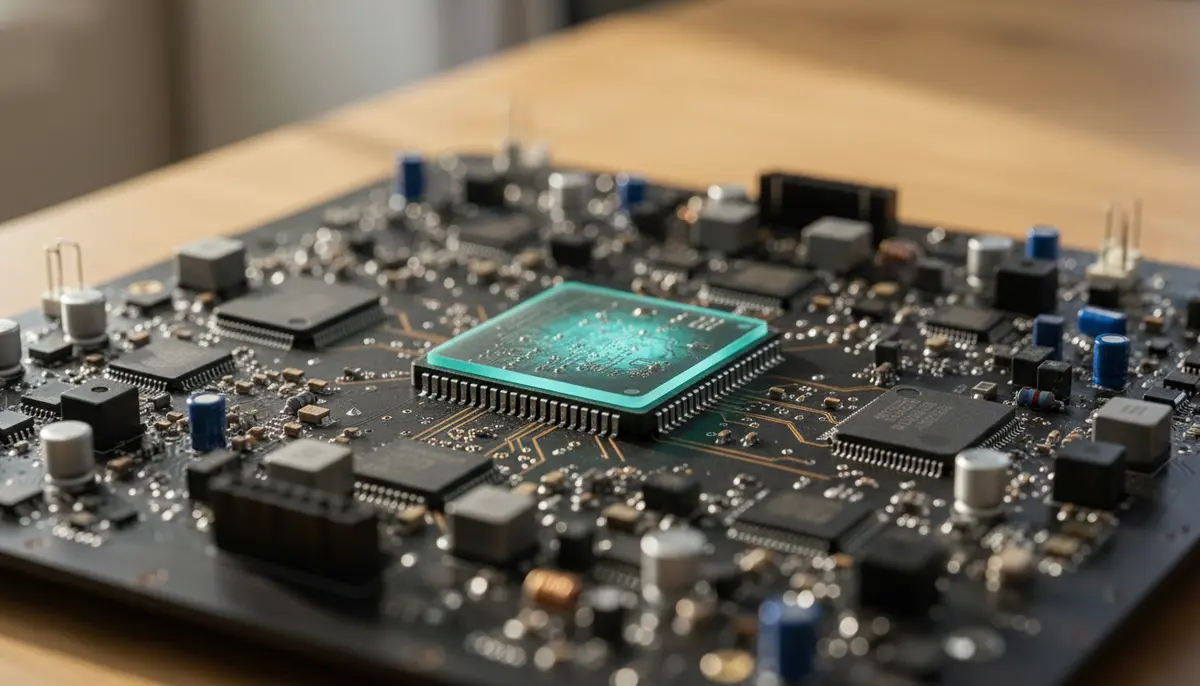
Instead of relying on software emulation—which essentially runs a program pretending to be an old console—the M64 uses FPGA (Field-Programmable Gate Array) technology. Think of software emulation like reading a translated book; it gets the point across, but some nuance is lost. FPGA, on the other hand, replicates the original hardware at the physical chip level. It essentially rebuilds the exact brain of the 1996 console, resulting in zero lag and perfect accuracy.
Under the hood, the M64 uses an AMD FPGA chip and an open-source MiSTer N64 core to achieve this feat. ModRetro is currently taking waitlist registrations for the device, which is priced at $199. In a brilliant marketing nod, that $199 price tag exactly matches the original US launch price of the Nintendo 64 back in 1996.
How did Palmer Luckey and ModRetro get their start?
You might assume ModRetro is a new pivot for Luckey, but the company actually predates Oculus. ModRetro originated back in 2009 as an internet forum that a teenage Luckey created for hardware hackers who loved modifying vintage consoles.
That long-standing passion finally materialized into consumer hardware in 2024, when the company launched its first product: the Chromatic. Priced at $199, the Chromatic is a premium, Game Boy-compatible handheld device. As Luckey explained in a 2025 blog post, the device was a labor of love. “I have been working on making the ultimate Game Boy inspired device off and on as a hobby for almost seventeen years now,” Luckey wrote. “It is, put simply, my ultimate tribute to the beautiful form, technical excellence, and cultural impact of the Nintendo Game Boy.”
How does ModRetro compare to Analogue in the retro hardware market?
ModRetro isn’t the only company cashing in on high-end nostalgia. Their primary competitor in the premium retro hardware space is Analogue, a company that has built a loyal following with its own FPGA-based consoles.
With the announcement of the M64, ModRetro is directly competing with the Analogue 3D console. This rivalry is pushing the boundaries of what retro consoles can do, forcing both companies to innovate on resolution, build quality, and core accuracy. Ultimately, this head-to-head competition is fantastic news for consumers who want the absolute best way to play their old Nintendo cartridges.
Between the Lines
A $1 billion valuation for ModRetro proves that premium nostalgia is no longer just a tinkerer’s hobby—it is a venture-scale asset class. The clear winners here are hardware purists who demand flawless, chip-level accuracy without the legal and technical headaches of software emulation. The losers are traditional software emulator platforms, and potentially major players like Nintendo, who have largely failed to monetize their own back catalogs with the premium, tactile hardware experience that adult gamers clearly crave. By successfully productizing open-source MiSTer cores alongside AMD FPGA chips, Luckey is validating that consumers will pay top dollar for authenticity. This signals a massive industry shift: investors now believe that high-end retro hardware can command the robust margins necessary to justify a unicorn valuation.