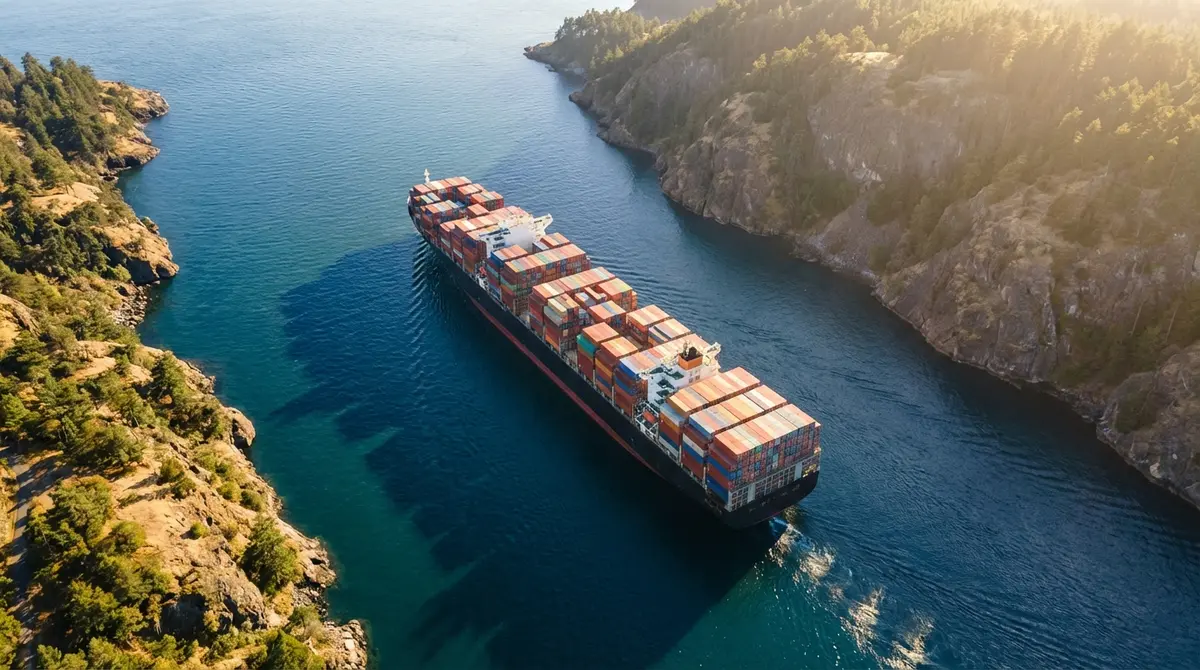
Have you ever wondered how a geopolitical standoff thousands of miles away could directly impact the smartphone in your pocket or the server farm powering your favorite apps? It sounds like a butterfly effect, but according to reports, the escalating U.S.-Iran conflict—now entering its third week—is doing exactly that. A looming blockade in the Strait of Hormuz is reportedly just days away, and it poses a severe, immediate threat to the global chip supply chain by squeezing Taiwan’s semiconductor industry.
How does the Strait of Hormuz affect Taiwan’s energy supply?
Taiwan is an absolute powerhouse when it comes to technology manufacturing, but the island has a critical, fundamental vulnerability: it imports nearly all of its energy. To keep the lights on, Taiwan relies heavily on massive shipments of liquefied natural gas (LNG). This imported LNG is the absolute lifeblood of Taiwan’s electrical grid. Because a massive portion of global energy shipments passes through the Middle East, a blockade in the Strait of Hormuz severely threatens the flow of these crucial imports.
![Illustration related to Strait of Hormuz Taiwan Chips Threat: LNG Risk [Analysis]](https://bytewire.press/wp-content/uploads/bytewire-images/2026/03/strait-of-hormuz-blockade-taiwan-semiconductor-supply-chain-4c225048a1.webp)
Why do Taiwan’s chipmakers need so much power and gas?
Think of a semiconductor fab as a massive, hyper-clean power plant. That electrical grid powered by LNG doesn’t just keep residential homes running; it fuels massive local chipmakers like TSMC. These specific foundries are responsible for manufacturing the vast majority of the world’s high-end microchips. Semiconductor fabrication is a notoriously energy-intensive process that requires perfectly stable electricity. However, power is not the only physical ingredient at risk right now. The intricate chemical process of fabricating these high-end chips also requires helium. Just like its LNG, Taiwan must import its helium supply from overseas.
How is the U.S.-Iran conflict disrupting semiconductor materials?
It all comes down to logistics and supply routes. According to reports, the ongoing conflict between the U.S. and Iran has made it increasingly difficult for Taiwan to acquire both the LNG and the helium it desperately needs. Global supply routes are choking under the geopolitical pressure. If a full blockade of the Strait of Hormuz materializes, it would essentially cut off the vital maritime arteries that feed Taiwan’s industrial sector. Without the LNG required to sustain its heavy electrical grid, or the helium needed for the delicate fabrication process, production lines for the world’s most advanced processors could be crippled.
![Diagram related to Strait of Hormuz Taiwan Chips Threat: LNG Risk [Analysis]](https://bytewire.press/wp-content/uploads/bytewire-images/2026/03/strait-of-hormuz-blockade-taiwan-semiconductor-supply-chain-361a827b3a.webp)
Get our analysis in your inbox
No spam. Unsubscribe anytime.