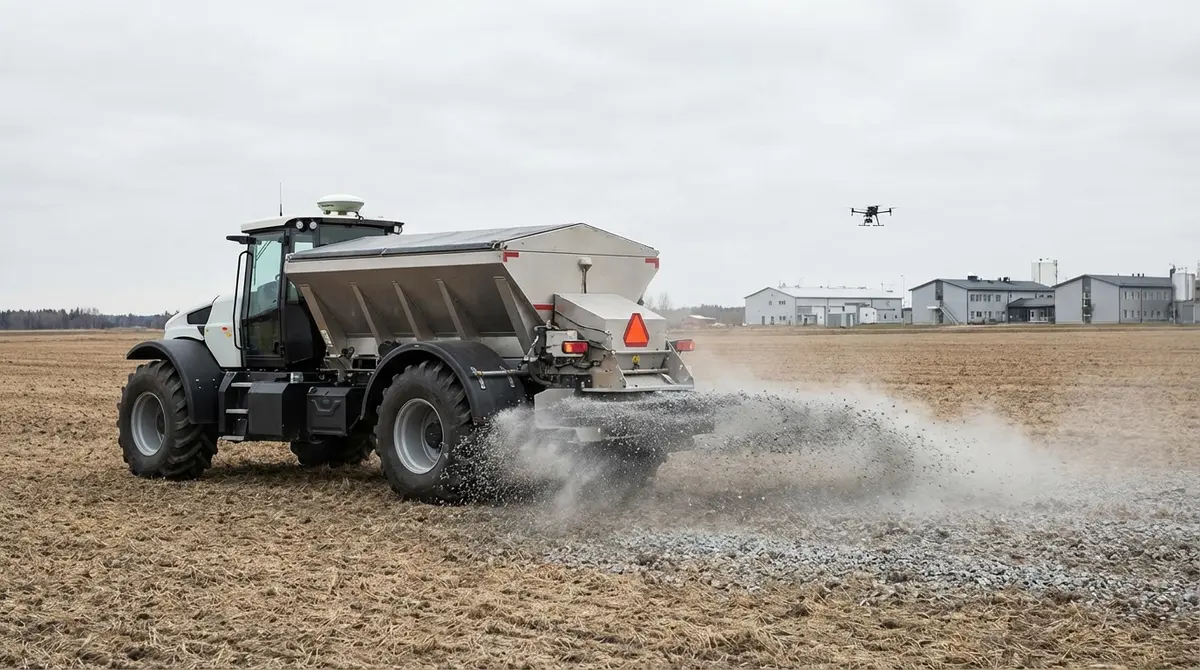
Terradot, a carbon removal startup backed by tech giants Google and Microsoft, has acquired its competitor Eion, marking a significant moment of consolidation in the nascent carbon capture industry. The acquisition, announced on Friday, combines two leading players in the enhanced rock weathering (ERW) sector, creating a combined entity with substantial operational scale.
According to reports, the deal brings together Terradot’s technological platform with Eion’s established operations. The combined company now holds contracts for over 400,000 tons of carbon removal, positioning it as a dominant force in the market. While financial terms of the acquisition were not immediately disclosed, the move comes as the industry faces pressure to lower the high costs of high-quality carbon removal.
Why Is the Carbon Removal Market Consolidating?
The acquisition of Eion by Terradot could mark the beginning of a broader trend of consolidation within the carbon removal market. Currently, the cost of removing carbon dioxide from the atmosphere remains significantly higher than what many corporate buyers are willing or able to pay at scale. By joining forces, companies like Terradot and Eion aim to achieve economies of scale that can drive down these unit costs.
Industry analysts suggest that as the market matures, smaller players with overlapping technologies will likely merge to pool resources, share scientific data, and optimize supply chains. This efficiency is critical for making technologies like enhanced rock weathering commercially viable for a wider range of customers beyond early adopters like big tech companies.
How Does Enhanced Rock Weathering Work?
Both Terradot and Eion specialize in a carbon removal technique known as enhanced rock weathering (ERW). This process accelerates a natural geological cycle where rain falls on silicate rocks, triggering a chemical reaction that locks away carbon dioxide. In nature, this process takes thousands of years.
ERW companies speed up this timeline by crushing basalt rock into a fine dust and spreading it over agricultural land. This increases the surface area available for reactions, allowing the rock to absorb CO2 from the atmosphere much faster—often within a few years. The process also offers co-benefits for farmers, as the crushed rock can improve soil health and crop yields, creating a dual-value proposition for the agricultural sector.
Get our analysis in your inbox
No spam. Unsubscribe anytime.