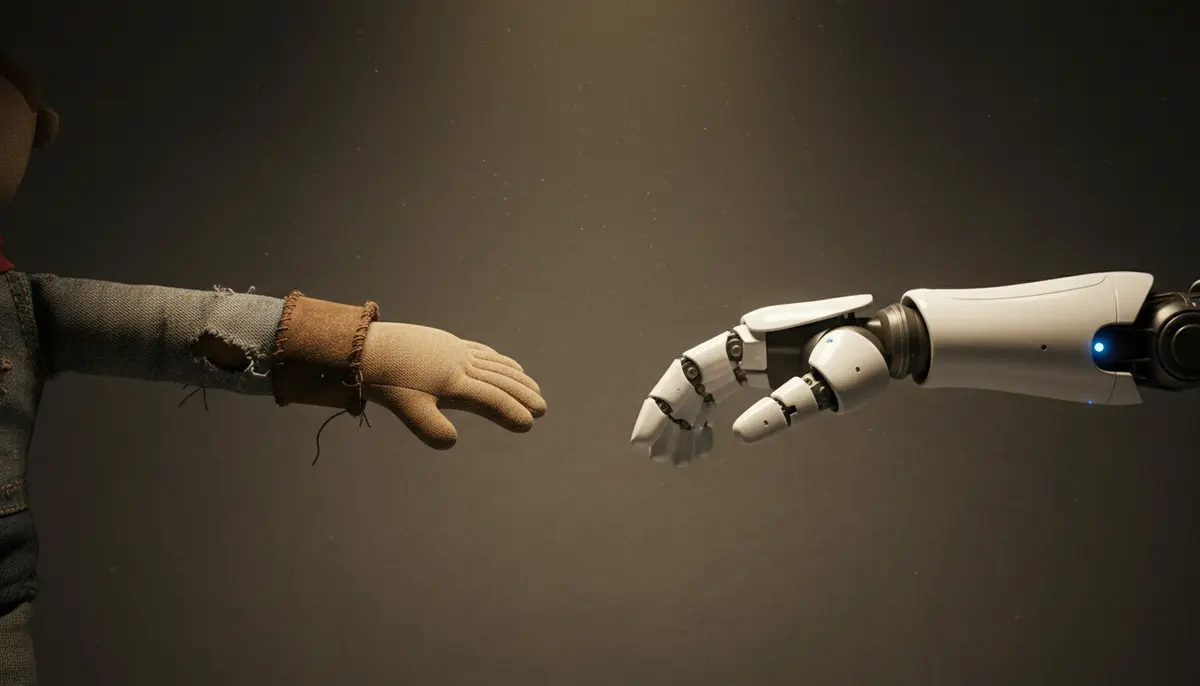
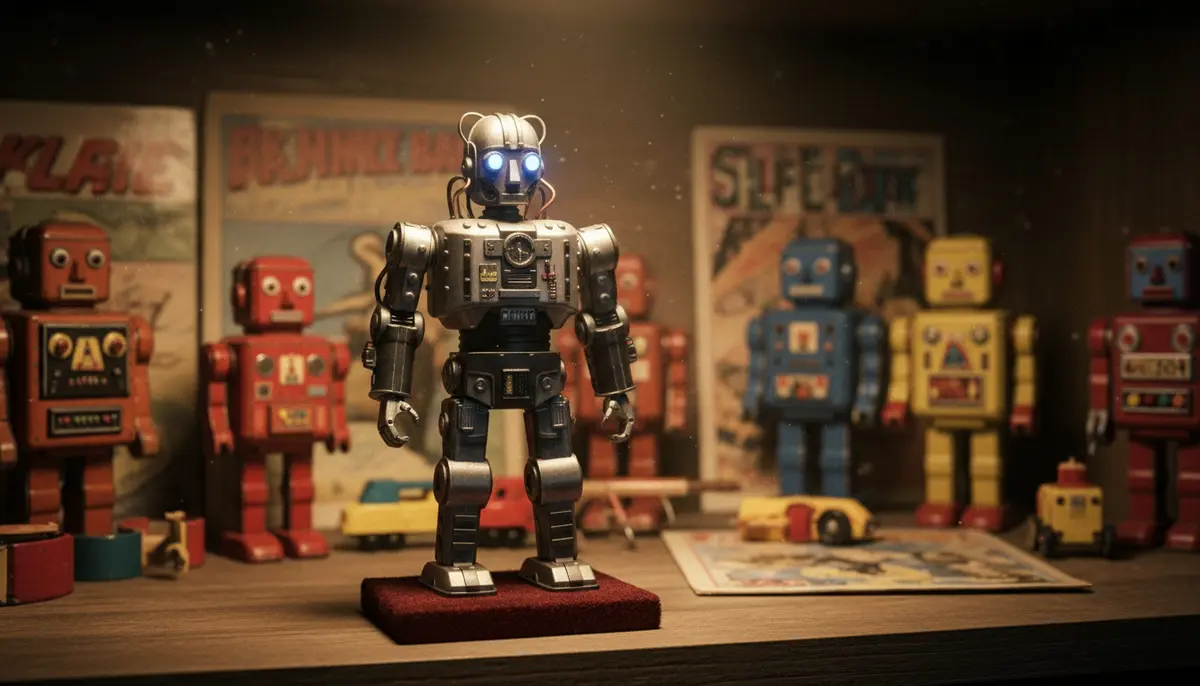
If the toys of the past were fueled by imagination, what happens when play becomes powered by algorithms? It is a question that parents, educators, and tech ethicists grapple with daily, and it now serves as the central conflict for one of cinema’s most enduring franchises. Toy Story 5, slated for release on June 19, 2026, appears ready to hold a mirror to the silicon-coated reality of modern childhood, pitting traditional playthings against the encroaching tide of generative AI.
Directed by Andrew Stanton, the veteran storyteller behind WALL-E and Finding Nemo, the film is positioning itself not merely as a nostalgic reunion but as a commentary on the ‘iPad kid’ phenomenon. The narrative trajectory suggests a significant pivot: the antagonist is no longer a jealous prospector or a huggable bear with a dark side, but the very technology that threatens to render physical toys obsolete.
How does Toy Story 5 address the rise of the ‘iPad Kid’?
The core struggle of the upcoming film focuses on the friction between ‘Toy and Tech.’ According to research surrounding the production, the toys’ owner, Bonnie, has shifted her attention away from the toy box and toward a mesmerizing digital interface. The new technological threat comes in the form of ‘Lilypad,’ an AI-enabled tablet voiced by Greta Lee. The character’s tagline, “I’m always listening,” hints at the privacy concerns and addictive nature inherent in modern smart devices.
This narrative choice reflects a very real shift in the global toy industry. Studies indicate that children under the age of eight now spend over two hours daily on screens. By personifying this digital distraction as a character, Stanton—who has written or produced every previous installment—seems to be exploring the inevitability of change. As Gizmodo noted regarding the film’s themes, Woody must now confront a world where his primary competition isn’t another toy, but a device that offers infinite, algorithmic entertainment.
Who are the new AI antagonists joining the cast?
While Tom Hanks and Tim Allen return as the voices of Woody and Buzz Lightyear, the casting for the digital antagonists signals a comedic yet critical approach to tech personification. Alongside Greta Lee’s Lilypad, the film introduces Conan O’Brien as ‘Smarty Pants’ and Craig Robinson as ‘Atlas.’ These characters reportedly represent different facets of the smart device ecosystem that traditional toys must navigate.
Visually, the film is also embracing the passage of time. Social media discussion has already ignited over revealed concept art depicting Woody with a visible bald spot and wearing a poncho. This visual aging of a digital character serves as a stark metaphor: even the most timeless icons endure wear and tear, while their digital replacements remain pristinely, perhaps eerily, perfect.
Is the movie’s message hypocritical given current toy trends?
Perhaps the most fascinating aspect of Toy Story 5 is the economic reality surrounding its release. While the script critiques the encroachment of AI into the playroom, the merchandise machine powering the franchise is actively embracing it. In a case of life imitating art, robotics company Robosen has released an officially licensed, AI-powered Buzz Lightyear robot. Priced between $600 and $800, this ‘living’ robot utilizes conversational AI to interact with users—technology remarkably similar to the film’s antagonist, Lilypad.
This duality highlights a complex tension in the market. The ‘kidult’ demographic—adults purchasing toys for themselves—has become a primary growth driver, accounting for over 60% of industry growth in recent years. These consumers demand high-tech innovation and nostalgia simultaneously. Disney is essentially monetizing the very technology the film warns against, creating a paradox where the movie serves as a cautionary tale while the licensing division sells the danger.
Can Toy Story 5 break box office records in a digital era?
Despite—or perhaps because of—this tension, market impact projections are aggressive. Analysts are predicting a potential gross exceeding $1 billion, challenging records recently set by Inside Out 2. Screen Rant reports that awareness scores for the film are currently more than double the average for upcoming releases.
The film’s tagline, ‘Toy meets Tech,’ suggests that Pixar is betting on the universal struggle of parents trying to manage screen time. By dramatizing the competition between the physical and the digital, the studio is tapping into a deeply relatable modern anxiety, positioning the film to be 2026’s most significant cultural touchstone in family entertainment.
What To Watch
The true story here isn’t just about box office numbers; it is about the commercial weaponization of nostalgia against innovation. While the film explicitly critiques AI toys, the financial winners will be the companies that successfully blur the line, selling ‘anti-tech’ sentiment through high-tech collectibles to the ‘kidult’ market. Watch closely how the merchandising strategy unfolds—if the villainous ‘Lilypad’ tablet becomes a best-selling real-world educational device, the irony will be complete.