Ever summoned an Uber and wondered what it would be like if nobody was in the front seat? Better yet, what if there wasn’t even a front seat at all?
That sci-fi scenario is hitting the streets of Las Vegas this summer. Amazon-owned Zoox has officially formed a strategic partnership with Uber to deploy its radical, purpose-built robotaxis directly on the ride-hailing app. If you are requesting a ride in Sin City later this year, your next driver might just be a bidirectional autonomous pod.
To understand the scale of this launch, we have to look back to 2020, when Amazon acquired Zoox for a staggering $1.3 billion. That acquisition signaled that the tech giant was dead-serious about the future of automated transportation. Now, we are finally seeing the commercial fruits of that massive investment hitting public roads.
How Are Zoox Robotaxis Different From Waymo?
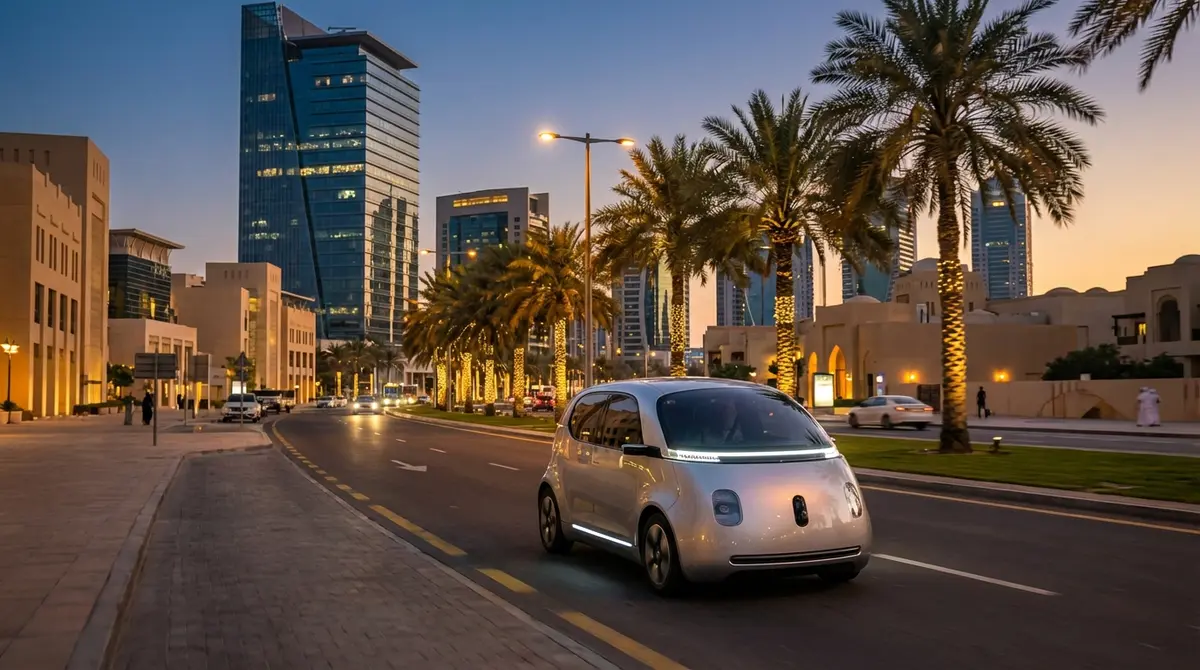
If you have seen autonomous vehicles testing in your city, they probably looked like standard sedans or SUVs wearing a heavy crown of spinning sensors. Zoox is taking a completely different, much more ambitious approach. Instead of retrofitting traditional vehicles with self-driving technology, Zoox built its robotaxis from the ground up specifically for ride-hailing.
These custom vehicles are bidirectional, meaning they can drive forward and backward with equal ease without ever needing to perform a cumbersome U-turn. Inside the cabin, you will not find a steering wheel, pedals, or a traditional dashboard. Instead, passengers sit in a carriage-style configuration, facing each other in a spacious cabin designed entirely for comfort.
As Zoox CEO Aicha Evans explicitly puts it: “This is not a repurposed car. It is built from the ground up around the passenger.”
This bespoke design philosophy sets Amazon’s Zoox distinctly apart from its primary competitor, Alphabet-backed Waymo. While Waymo has achieved incredible success by modifying existing consumer vehicles to build out its autonomous fleet, Zoox is betting that a ground-up redesign will ultimately provide a superior passenger experience.
What Are the Roadblocks to Launching in Las Vegas and Los Angeles?
The timeline for this rollout is surprisingly aggressive, but it comes with a few major regulatory caveats. The partnership plans to officially launch on the Uber app in Las Vegas starting this summer. Following the Vegas debut, the companies are eyeing Los Angeles for a broader rollout in mid-2027.
The company has already been laying the necessary groundwork. Zoox is currently offering free test rides in both Las Vegas and San Francisco to refine its technology. They are also actively expanding their complex testing and mapping operations into new markets like Dallas and Phoenix.
However, there is a significant hurdle to clear before you can actually pay for a Zoox ride. Because the Zoox vehicle fundamentally lacks traditional human controls, the commercial launch is entirely contingent on receiving further regulatory exemptions from the National Highway Traffic Safety Administration (NHTSA). Without this specific federal approval, Zoox is legally blocked from charging passengers for rides. They have the tech, but they still need the government’s green light to flip the switch on revenue.
Why Is Uber Partnering Instead of Building Its Own Cars?
You might be asking why Uber is willingly letting Amazon’s vehicles onto its proprietary network. It all comes down to a massive pivot in Uber’s long-term business strategy. Rather than spending billions of dollars trying to manufacture its own self-driving cars, Uber wants to be the ultimate, agnostic platform for everyone else’s autonomous vehicles.
By maintaining an asset-light approach, Uber smartly avoids the crushing hardware manufacturing and R&D costs associated with building robotaxis. Instead, they provide the one thing every autonomous vehicle company desperately needs to survive: a massive, built-in network of paying riders.
Zoox is far from their only partner in this endeavor. Uber has been aggressively building out its autonomous network by forging alliances with other key AV developers. Their current roster of partnerships includes Waymo, May Mobility, and Momenta. By playing the field, Uber ensures it wins no matter which company builds the best self-driving car.
Why It Matters
Uber is the undisputed winner in this strategic alliance, cementing its status as the indispensable distribution layer for the autonomous vehicle industry, regardless of which hardware manufacturer ultimately wins the technology race. For Alphabet-backed Waymo, Zoox entering the Uber ecosystem introduces a formidable, deep-pocketed Amazon rival right inside its primary ride-hailing channel, dramatically intensifying the robotaxi market war. Furthermore, this partnership signals a major threat to legacy automakers; as purpose-built, steering-wheel-free pods like Zoox normalize the passenger-first carriage experience, traditional car form factors retrofitted for autonomy will find themselves at a severe competitive disadvantage in urban transit.
![Illustration related to Uber Zoox Robotaxi Las Vegas: Inside the $1.3B Bet [2026]](https://bytewire.press/wp-content/uploads/bytewire-images/2026/03/uber-zoox-robotaxi-las-vegas-partnership-057153464d.webp)
![Diagram related to Uber Zoox Robotaxi Las Vegas: Inside the $1.3B Bet [2026]](https://bytewire.press/wp-content/uploads/bytewire-images/2026/03/uber-zoox-robotaxi-las-vegas-partnership-f472e05b03.webp)