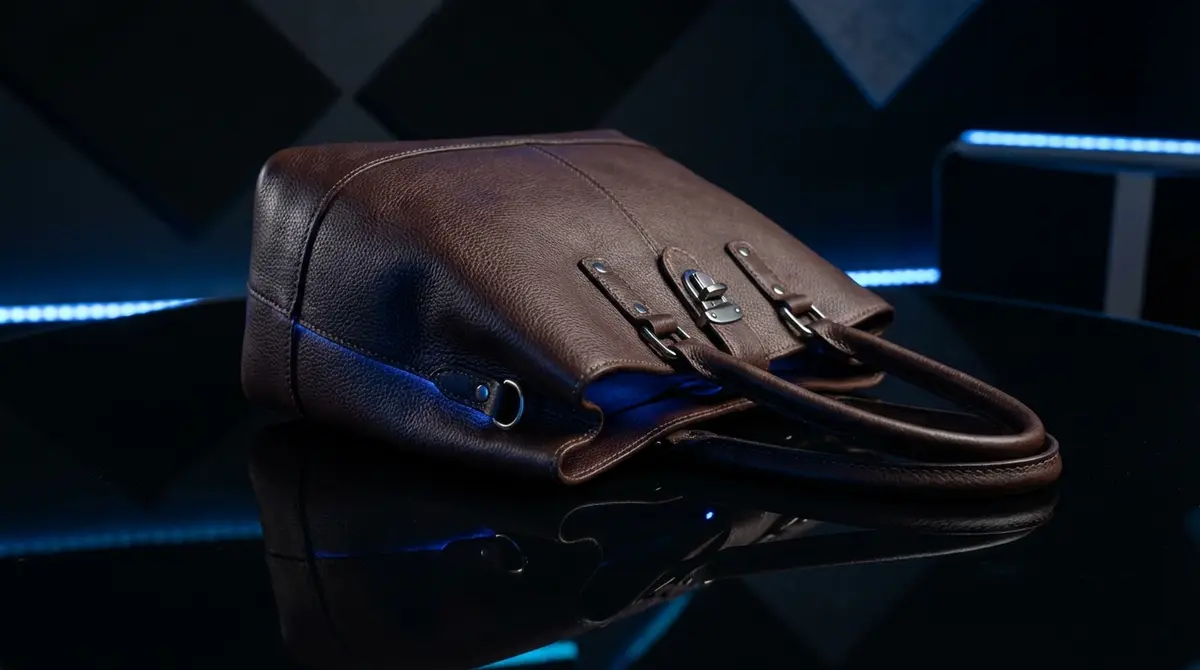
You know that sinking feeling? You just dropped serious cash on a "vintage" designer bag from a resale site, but a tiny voice in the back of your head keeps asking: Is this actually real? It’s a valid fear. We are currently living in the era of the "superfake"—counterfeits so sophisticated that they often fool even the seasoned experts.
The luxury industry is bleeding roughly $30 billion a year because of this, and the massive $210 billion second-hand market is operating on a shaky foundation of trust. But a new player has entered the chat, and they aren’t coming from the fashion world. They’re coming from Tesla.
Meet Veritas, a startup founded by former Tesla product manager Luci Holland. They have reportedly secured $1.75 million in initial funding to try something different. Instead of relying on easily forged certificates or standard tags, they want to bake security directly into the product with custom silicon.
How does the Veritas chip actually work?
Here is where things get interesting. Most current attempts to stop fakes rely on things like QR codes or standard NFC tags. The problem? If a counterfeiter can copy a bag’s stitching, they can certainly copy a QR code or clone a basic tag.
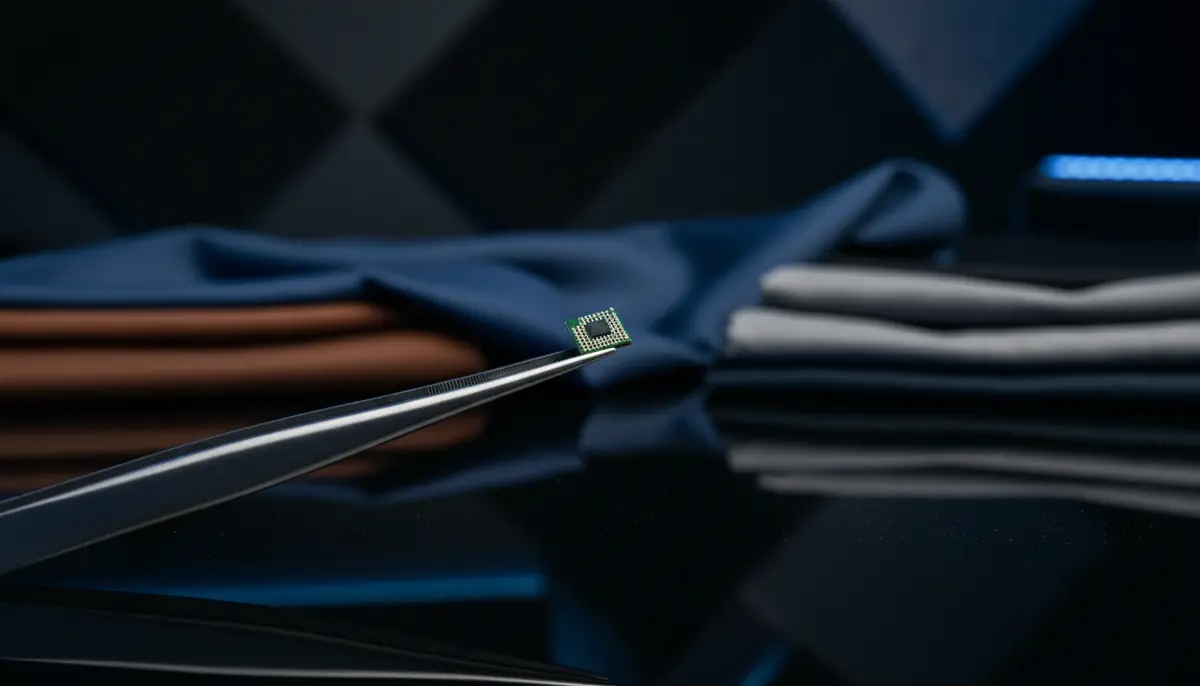
Veritas is taking a "hardware-first" approach. According to reports, the company has developed a miniaturized, tamper-resistant chip designed to be embedded into products during the manufacturing process. Think of it less like a tag and more like a digital fingerprint that lives inside the leather or fabric.
This chip is linked to a blockchain record, creating a permanent, unalterable history of the item. It’s a marriage of custom hardware and software that aims to be virtually impossible to clone. By controlling the physical chip, Veritas hopes to close the loophole that software-only solutions often leave open.
Why focus on the hardware instead of just software?
You might be wondering why we need a new chip when we already have blockchain. The answer lies in the physical link. The Aura Blockchain Consortium—a heavy-hitting group founded by LVMH, Prada, and Cartier—has been pushing for digital product passports for a while. However, a digital record is only as good as its link to the physical object.
If I have a genuine digital certificate on my phone but I hand you a fake watch, the system fails. Veritas aims to solve this by making the physical object itself the authenticator. If the chip isn’t there, or if it doesn’t cryptographically handshake with the software, the item is a fake. It forces counterfeiters to not only replicate the look of a product but also hack complex, proprietary hardware.
What does this mean for the resale market?
The stakes here are incredibly high for the second-hand market. That $210 billion resale economy is booming, but it is plagued by verification bottlenecks. Currently, platforms have to employ armies of human authenticators to inspect stitching, hardware weight, and serial numbers. It’s slow, expensive, and prone to human error.
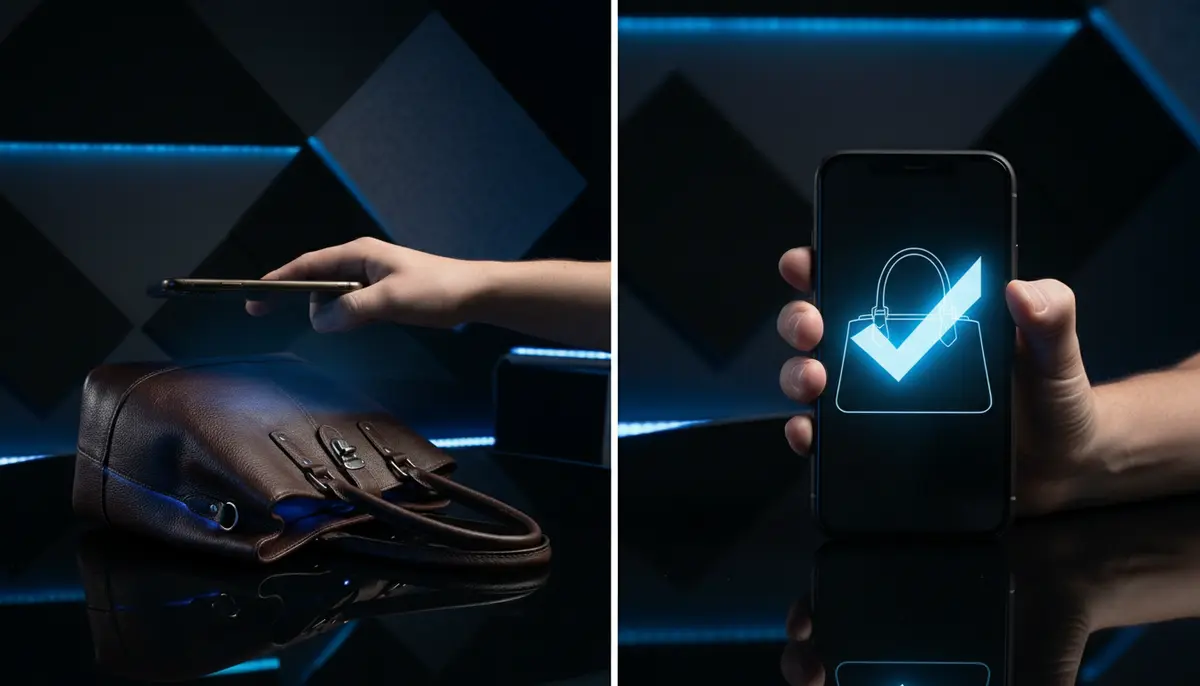
If Veritas can standardize this technology, checking the authenticity of a pre-owned item could become as simple as tapping your phone against it. This would instantly provide definitive proof of authenticity, potentially increasing the resale value of verified items and, crucially, restoring consumer trust.
Are regulations pushing this change?
This isn’t just about brands protecting their revenue; it’s about complying with the law. The European Union is rolling out Digital Product Passport (DPP) regulations, which will require brands to provide detailed data on sustainability and traceability. This creates a massive regulatory tailwind for companies like Veritas.
Brands are going to be forced to adopt traceability technology whether they like it or not. The question is no longer if they will track their products, but how. Veritas is betting that a high-security hardware solution will be more appealing than a flimsy sticker or a cloneable tag.
The Bigger Picture
This move by a former Tesla PM signals a shift in how we view "dumb" objects. We are moving toward a "phygital" reality where physical goods are inextricably linked to digital identities. By applying the rigor of automotive supply chain management to luxury fashion, Veritas is trying to solve a problem that soft skills haven’t been able to fix.
The real winner here could be the consumer. If this works, the anxiety of buying luxury goods—new or used—disappears. However, the challenge will be adoption. Convincing centuries-old fashion houses to embed third-party silicon into their heritage products is a tall order. But with $30 billion on the table, the cost of doing nothing might finally be too high.