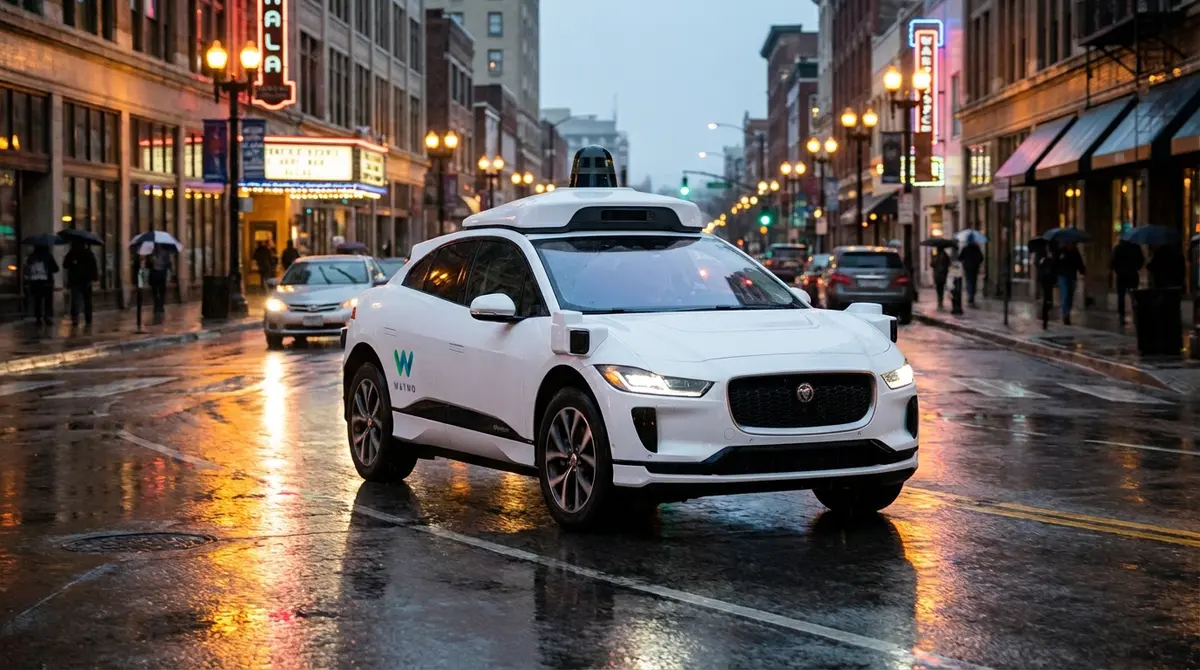
The era of the autonomous vehicle pilot program is officially dead. In its place, the era of brute-force commercial scaling has begun. Waymo has closed a staggering $16 billion funding round led by Dragoneer Investment Group, propelling the Alphabet subsidiary’s valuation to $126 billion. This capital injection isn’t just a vote of confidence; it is a fortress of cash designed to make the barrier to entry insurmountable for competitors still stuck in the R&D phase.
For years, the industry questioned whether the unit economics of robotaxis could ever make sense. With this latest round, backed by heavyweights like Sequoia Capital, Silver Lake, and Andreessen Horowitz, the smart money has decided the answer is yes. The funding comes at a critical juncture: while rivals struggle with regulatory hurdles and technical bottlenecks, Waymo has effectively tripled its valuation from $45 billion in late 2024, signaling that the market leader has finally cracked the code on scaling.
What will Waymo do with a $16 billion war chest?
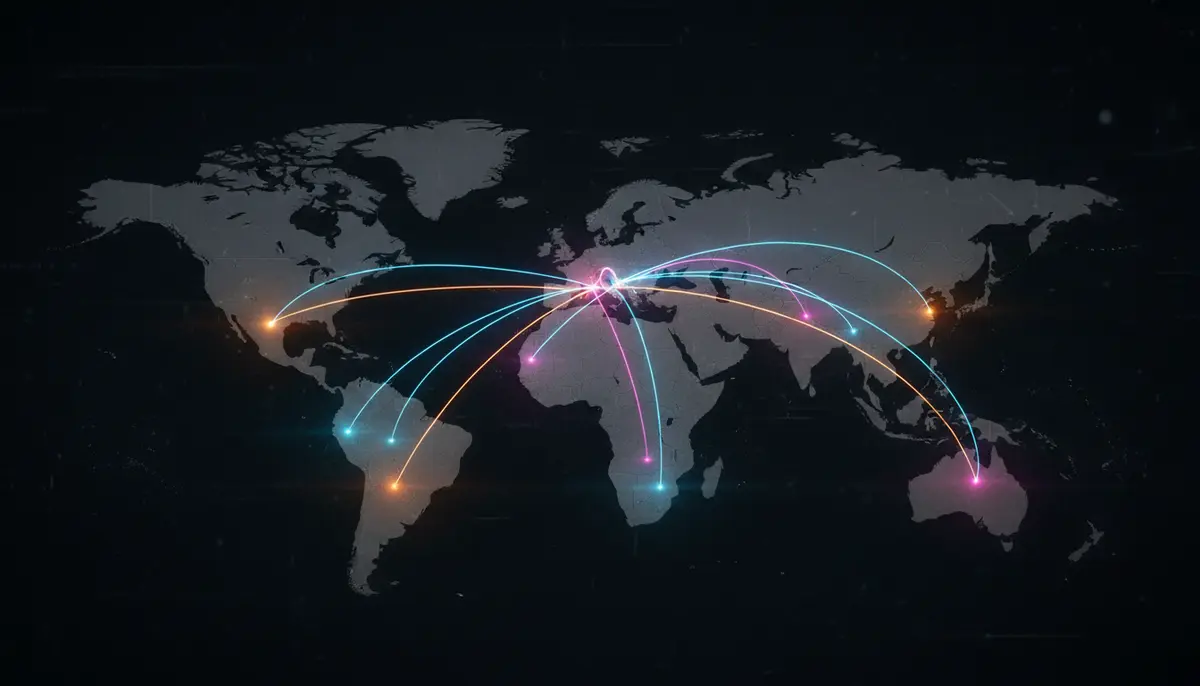
The primary mandate for this capital is geographic aggression. According to the company, the funds are earmarked to expand operations to over 20 new cities in 2026 alone. While domestic growth in the U.S. remains a priority, the real story is Waymo’s confirmed international leap into complex, high-density markets like London and Tokyo.
This is not a tentative testing phase. Waymo is deploying capital to build infrastructure, map complex urban grids, and deploy fleets at a speed that smaller players simply cannot match. The company is already operating at a significant volume, reporting 15 million rides in 2025—a threefold increase from the previous year. Currently, Waymo completes over 400,000 paid rides every week across six U.S. metros.
Tekedra Mawakana, Waymo’s Co-CEO, noted in a company blog post that they are "no longer proving a concept" but rather "scaling a commercial reality." This shift from engineering challenge to logistics execution is what Konstantine Buhler, a partner at Sequoia, refers to as achieving "operational excellence." The technology works; now it is about winning the land grab.
How does this impact Tesla and the broader market?
The timing of Waymo’s massive raise casts a long shadow over Tesla’s recent pivot. As Elon Musk’s company undergoes its "Great Rebranding" to an AI and robotics firm—discontinuing the Model S and X to focus on autonomy—it faces a competitor with a proven safety record and a bank account deep enough to endure price wars.
Investors seem to be voting with their checkbooks on the "rules-based" safety approach favored by Waymo, versus the "end-to-end" neural network approach championed by Tesla. While Tesla promises future capabilities, Waymo is delivering current utility. The gap is widening, and the $16 billion infusion ensures Waymo can maintain its lead while Tesla attempts to transition its core business model amid falling profits.
Furthermore, this raise puts immense pressure on other players like Zoox and Waabi. While Waabi recently secured $750 million, that figure now looks quaint compared to the war chest Waymo has assembled. The market is consolidating around the leader, leaving little oxygen for third or fourth-place contenders.
Is the technology actually safe enough for global deployment?
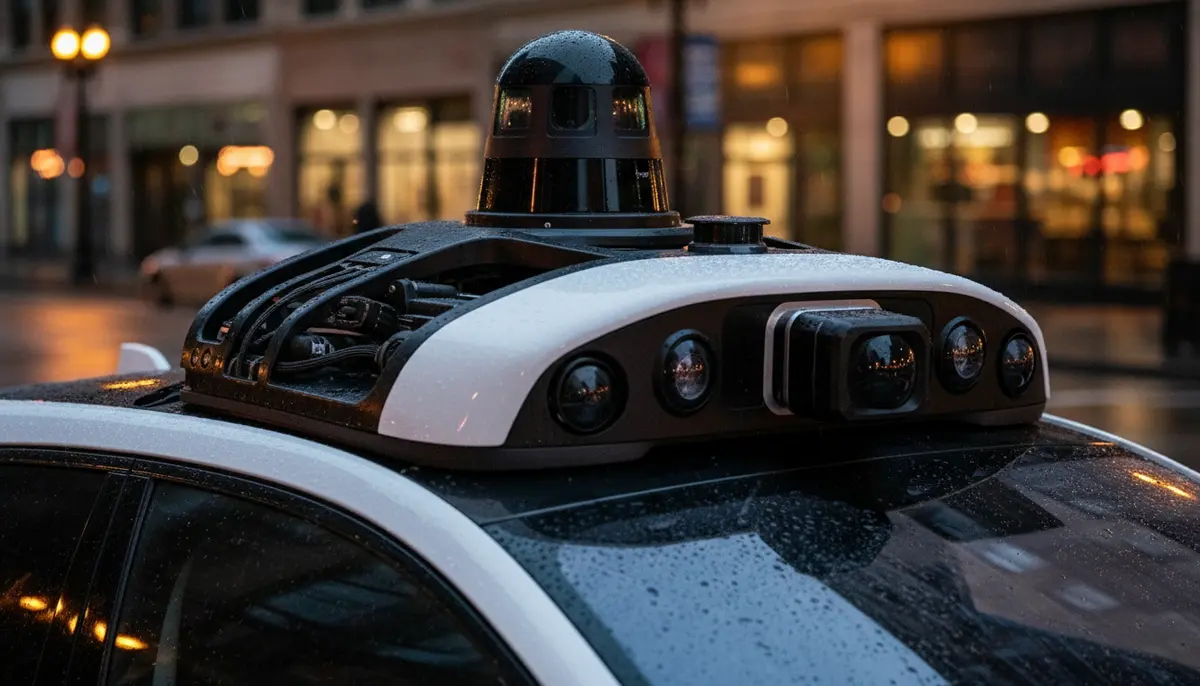
Safety data has become Waymo’s strongest asset in regulatory discussions. The company claims a 90% reduction in serious injury crashes compared to human drivers, a statistic derived from over 127 million autonomous miles driven to date. This data is critical for entering strict regulatory environments like the UK and Japan.
Unlike the early days of AV testing, where disengagement reports were the primary metric, the focus has shifted to actuarial risk. By demonstrating a crash rate significantly lower than the human baseline, Waymo is effectively insuring its own expansion. This safety record allows them to operate without safety drivers in increasingly chaotic environments, which is the only way to make the unit economics of a robotaxi service viable.
The Bottom Line
Waymo’s $16 billion raise is a definitive signal that the autonomous driving industry has transitioned from a "moonshot" experiment to a utility play. By securing a valuation of $126 billion, Alphabet has successfully spun a science project into a massive, standalone commercial entity. The losers here are not just the direct competitors like Cruise, who have struggled to regain trust, but also the late-stage entrants hoping to disrupt the market with less capital. In the world of hardware-heavy, logistics-intense technology, first-mover advantage combined with the deepest pockets usually wins. Waymo has now effectively cleared the field, turning the robotaxi race into a game of catch-up that few can afford to play.